
Innovative Security Solutions
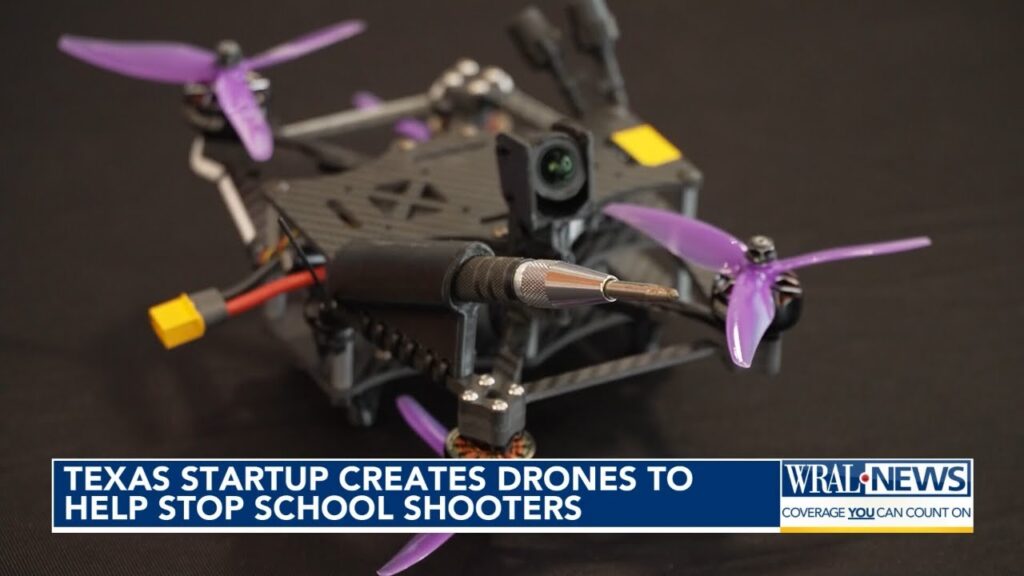
A Texas-based startup is pioneering a unique security drone aimed at preventing school shootings. This drone employs nonlethal methods such as sirens, physical contact, pepper spray, and flash-bang grenades to disorient potential shooters.
The Austin company, Campus Guardian Angel, has initiated a pilot program involving 500 compact unmanned aerial vehicles across various public and private schools in Florida, Texas, Colorado, and the District of Columbia. This program will run until early February.
For security reasons, the names of most participating schools and districts remain undisclosed.
CEO Justin Marston described their initiative as creating the “SEAL Team Six of school safety,” likening it to having a SWAT team on standby without incurring high costs.
The drones are stored discreetly around campuses and can be activated by teachers through silent alarms. These alerts notify a dedicated 12-member team in Austin who monitor the drones continuously via live video feeds.
The protocols require operators to deploy the drones quickly while maintaining communication with on-site school officials. When encountering an active shooter, drone pilots use loudspeakers to instruct them to surrender their weapons. If compliance is not met, the situation escalates with sirens and nonlethal deterrents like pepper spray balls or even physical intervention from the drone itself.
A sworn officer from the school district must authorize any force used against a shooter. The company also holds insurance that covers up to $5 million for any injuries caused by its devices.
Campus Guardian Angel emphasizes that its drone pilots are highly trained professionals who have worked alongside former Special Forces personnel to ensure safety during operations.
The drones aim to support existing school resource officers by delaying or stopping an assailant until law enforcement arrives—addressing concerns about increased mass shooting incidents post-pandemic.
The company offers packages starting at approximately $9,000 for three drones. Marguerite Roza from Georgetown University’s Edunomics Lab noted that this system could cost around $20 per student annually compared to an average of $220 for a full-time security officer.
While some education experts express cautious optimism about the technology’s potential benefits, others raise concerns regarding legal implications and psychological effects on students. Jonathan Thompson from the National Sheriffs’ Association highlighted the need for extensive training in distinguishing between threats effectively.
A demonstration was conducted last summer at Regis Jesuit High School in Aurora, Colorado. However, some experts question whether remote control from distant locations can be effective during critical moments of crisis.
Laura Carno, who trains educators in firearm use during emergencies, acknowledged that while distractions can help mitigate threats temporarily, they cannot replace trained armed responders capable of neutralizing an attacker directly.


