
Overview
Summary:
- Thieves are employing handheld antennas to intercept key fob signals from outside homes, allowing them to start vehicles without breaking in.
- The average profit from stolen cars is $50,000, surpassing the $35,000 per kilogram profit from heroin, with less severe legal repercussions.
- Organized crime groups utilize knowledge acquired in prison to clone key fobs, alter VINs, and forge documents for reselling stolen vehicles.
- A recent operation in Queens resulted in the theft of over 120 cars valued at $4.6 million; a similar group in St. Louis can dismantle or relocate a vehicle within two days.
Car thieves have upgraded their methods from traditional tools to sophisticated handheld antennas that enable them to steal vehicles without physical contact.
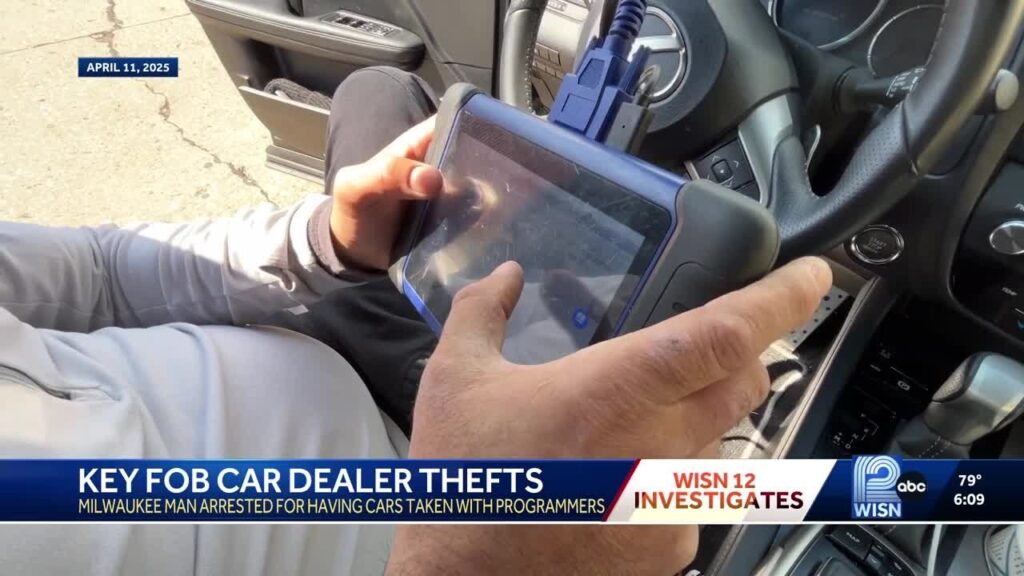
Law enforcement officials report that criminals stand outside residences using these antennas to capture the signal between a car and its key fob, tricking the vehicle into starting. They then connect a key programmer that teaches the car to recognize a cloned fob.
“These are tools that locksmiths use, but criminals have learned how to utilize them for their own gain,” explained Tom Burke, a former detective with the New York Police Department who focused on auto theft.
The motivation behind this trend is straightforward: organized crime has realized that stealing cars is more profitable than dealing drugs. According to Mr. Burke, new vehicles can fetch an average of $50,000 compared to just $35,000 for heroin per kilogram. The legal consequences for car theft are also less severe.
These operations are not merely the work of thrill-seeking teenagers; they involve organized crime syndicates that leverage knowledge gained while incarcerated to erase vehicle identification numbers and create fake documentation for rapid resale both domestically and internationally.
In Queens, New York, authorities have charged 20 individuals involved in the theft of over 120 cars valued at approximately $4.6 million.


