
Britain Stops Sharing Intelligence
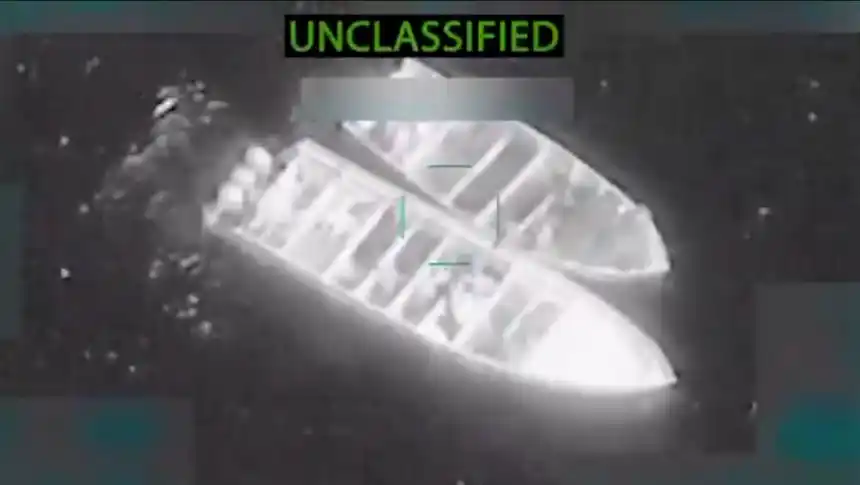
Britain has announced that it will no longer share intelligence regarding suspected drug-trafficking vessels in the Caribbean with the United States, citing concerns over the legality of U.S. military strikes against these boats.
The decision to pause the intelligence-sharing program occurred over a month ago, shortly after the U.S. initiated bombing operations targeting these vessels.
The Pentagon has refrained from commenting on this development, while both the White House and the British Embassy in Washington have not responded to requests for statements.
This move marks a notable change for the United Kingdom, which has historically collaborated with U.S. forces to combat terrorism and drug trafficking in the region. The U.K. maintains a substantial military presence in areas such as the Cayman Islands and Turks and Caicos.
Typically, Britain would provide intelligence to the Joint Interagency Task Force South based in Florida, which would then relay pertinent information to the U.S. Coast Guard for apprehending suspected drug traffickers.
The recent strikes have reportedly resulted in at least 76 fatalities across 19 vessels operating in both the Caribbean and Eastern Pacific Ocean, eliciting mixed reactions globally.
The United Nations’ human rights chief, Volker Turk, has raised questions about the legality of these strikes and urged a formal investigation by U.S. authorities.
“I have called for investigations by the U.S. administration first and foremost,” Mr. Turk stated, emphasizing that they need to assess whether these actions constitute violations of international human rights law or extrajudicial killings.
This escalation coincides with an extensive naval buildup by the United States in Caribbean waters aimed at addressing drug trafficking issues, as confirmed by President Trump and Defense Secretary Pete Hegseth.
The USS Gerald R. Ford, America’s largest aircraft carrier, recently entered Latin American waters alongside numerous warships and submarines.
Both President Trump and Mr. Hegseth assert that these military actions are justified due to an immediate threat posed by alleged drug vessels to American safety.
“The rationale is quite simple: It’s self-defense of the American people,” Mr. Hegseth remarked during an interview.
The president has labeled individuals aboard these boats as “enemy combatants,” while several connected drug cartels have been classified as foreign terrorist organizations by the State Department.


