
1. What occurred with Venezuela’s President Maduro?
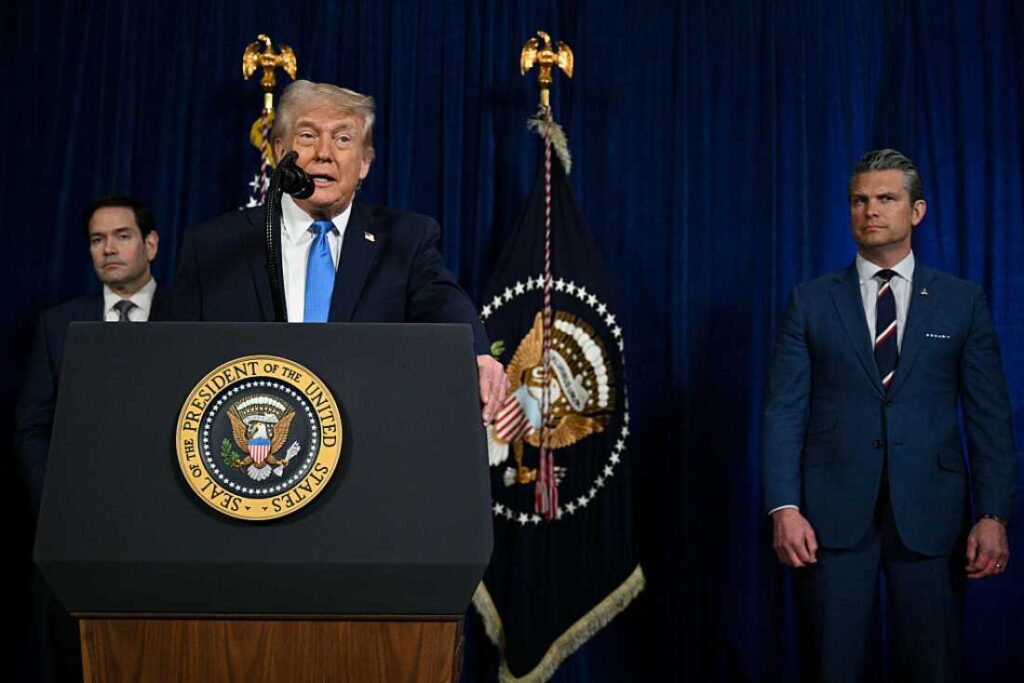
President Trump initiated a military operation that resulted in the capture of Venezuelan President Nicolas Maduro, bringing him to the United States for trial. This operation concluded with a raid on Maduro’s compound in Caracas, following a pressure campaign that began in September targeting vessels allegedly transporting drugs from Venezuela to the U.S.
The U.S. president viewed this as a rare opportunity to address several American interests at once: curbing illegal immigration and drug trafficking, countering increasing Chinese and Russian influence in the region, and gaining access to Venezuela’s extensive oil reserves and mineral resources. Key figures in his administration, including Secretary of State Marco Rubio, persuaded Trump that the Maduro regime was particularly vulnerable after losing credibility from last year’s disputed election.
Trump stated that the U.S. would oversee Venezuela during a transitional phase, with major American oil companies expected to invest billions into restoring the country’s damaged oil infrastructure. The administration intends to establish a government more aligned with U.S. interests in Caracas while ensuring that the transition is conducted “safely, properly, and judiciously,” keeping the welfare of Venezuelans at heart.
Venezuela possesses the largest oil reserves globally, estimated at 303 billion barrels—surpassing even Saudi Arabia—and has considerable deposits of rare earth elements vital for technology such as smartphones and military aircraft. In recent years, China and Russia have strengthened their ties with Venezuela; Russia is its primary arms supplier while China has invested heavily in its resources, making it an essential area for U.S. influence.
This military action marks a significant shift from Trump’s earlier unsuccessful attempt in 2019 to remove Maduro by diplomatically recognizing opposition leader Juan Guaido. This earlier strategy was seen as one of Trump’s major geopolitical errors during his first term. In contrast, this time he employed what retired Rear Admiral Mark Montgomery described as a “maximum pressure campaign,” escalating from diplomatic efforts to direct military intervention after signaling readiness for combat operations for nearly three months before executing the raid.


