
Closure of Camp As Sayliyah Announced
President Trump has notified Congress of his intention to shut down the migrant facility in Qatar that currently houses Afghan evacuees awaiting entry into the United States, according to a senior lawmaker’s statement on Wednesday.
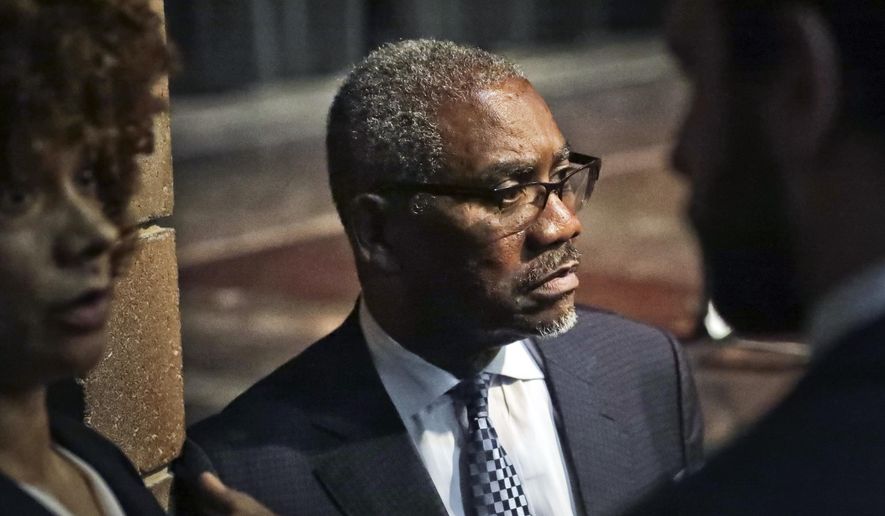
Representative Gregory Meeks from New York, who serves as the leading Democrat on the House Foreign Relations Committee, indicated that the government aims to close Camp As Sayliyah by the end of September.
Meeks criticized this decision as short-sighted, arguing it would impede efforts to rescue Afghans who supported U.S. military operations over two decades and whom America pledged to protect.
“Closing CAS is yet another reckless action by the Trump administration that dismantles every remaining avenue for these allies to safely relocate in the United States. It represents a profound betrayal of those who stood with us in Afghanistan and undermines America’s commitments,” Meeks stated.
This announcement comes at a time when Afghan evacuees are under increased scrutiny, particularly following an incident where an evacuee—who had worked with the CIA—was charged with attacking National Guard soldiers in Washington last year.
The chaotic evacuation process during summer 2021 raised concerns about security risks associated with bringing tens of thousands of Afghans into the U.S. without thorough vetting.
The presence of Afghan evacuees has become a contentious political issue. Supporters argue that there is a moral obligation to assist those who aided American forces, while others express concerns regarding potential security threats posed by some individuals within this group.
Camp As Sayliyah functioned as an intermediate holding site where Afghans could undergo vetting before being allowed into the U.S., addressing previous security oversights when many were flown directly without adequate checks.
Currently, approximately 800 individuals remain at Camp As Sayliyah after new arrivals were halted last year. Shawn VanDiver, president of AfghanEvac—a group assisting these evacuees—reported that they have been offered “cash payments” to abandon their aspirations for resettlement in favor of returning to Afghanistan.
“These are not anonymous cases,” he emphasized. “They include Afghan prosecutors and lawyers who imprisoned Taliban members, female special operations personnel who fought alongside U.S. forces, and immediate family members of active-duty service members.”
VanDiver warned that these individuals would face persecution or even death if they returned home. Nonetheless, fears regarding potential risks within the Afghan evacuee population persist strongly among officials.
A Senate hearing highlighted challenges faced by government investigators in properly vetting Afghans brought to the U.S., revealing that around 36,000 lacked formal identification and over 11,000 could not provide accurate birthdates.
The State Department’s inspector general noted that despite eight months of investigation, they could not determine how many Afghans were actually admitted through evacuation efforts.Homeland Security’s inspector general reported that at least 77,000 Afghans were granted entry under “parole” authority.


