
Opinion
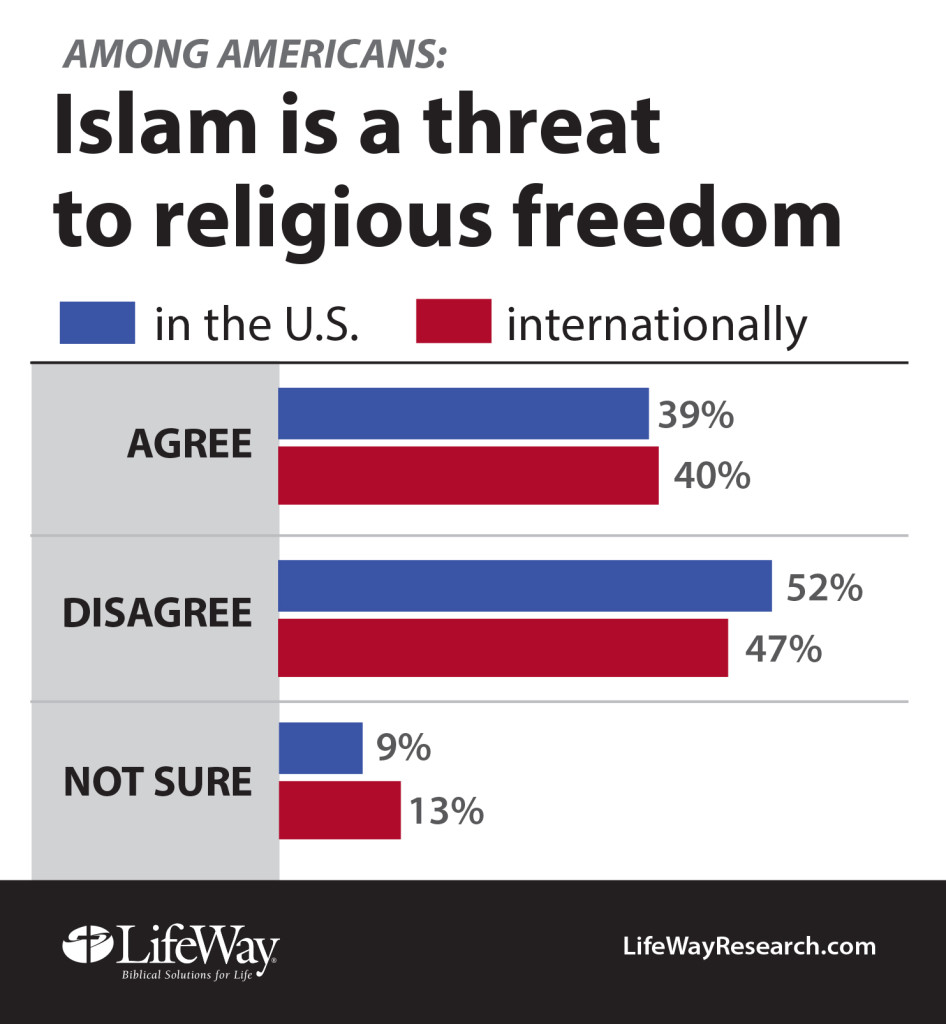
If recent events do not convince you that Islam poses a significant threat to the civilized world, then you may be overlooking critical evidence.
Consider the following incidents:
In Germany, numerous Christmas markets were effectively shut down by large groups of Muslims attempting to intimidate Christians celebrating the season of goodwill.
In Paris, credible terrorist threats from Muslim extremists led to the cancellation of the annual New Year’s Eve festival.
In Genoa, Italy, a Christmas tree outside a Catholic church was set ablaze by Muslims.
Brussels saw hundreds of Christian families fleeing as Muslim activists disrupted their local Christmas festivities.
Milan witnessed groups of Muslims climbing onto statues in town squares, pressuring Christmas celebrants to display Palestinian flags.
In London, traditional public Christmas activities like caroling were discouraged due to concerns about offending the growing Muslim population.
Bavaria reported five Muslim men arrested for plotting a terrorist attack on a Polish town.
A church in Pakistan was bombed during Christmas services by a group of Muslims.
In Indonesia, many Muslims formed human chains around Christmas services while shouting extremist rhetoric against those celebrating the birth of Jesus Christ.
The recent massacre of Jews at Bondi Beach and ongoing violence against Christians in northern Nigeria further highlight this alarming trend. Additionally, some Muslim clerics in the United States openly express their desire to replace American civil liberties with Sharia law. The common thread is clear: Islam stands as an adversary to freedom rather than an ally.
A little over a decade ago, Bill Maher stated on the “Charlie Rose” show that “Islam is not like other religions. It is a unique threat.” He pointed out that vast numbers of Muslims hold illiberal beliefs that are concerning.
When challenged about similar beliefs among Christians, Maher countered that most Christians do not advocate for violence against those who leave their faith or treat women as second-class citizens. He emphasized that many Muslims condone violence based on differing beliefs and cited alarming statistics from polls conducted in predominantly Muslim countries regarding punishments for adultery and apostasy.
Maher’s observations are crucial; ignoring them could lead us into dangerous territory. Not all religions share the same values or practices. It is not Christians who call for stoning or beheading those who stray from their faith. It is not Christians intimidating others into silence or plotting violent acts against communities. Instead, when disagreements arise with figures like Maher, Christians seek dialogue rather than domination because they value discourse over destruction.
Bill Maher understands what many contemporary thought leaders seem to overlook: Islam and Christianity represent fundamentally different worldviews. One promotes love and peace while the other often incites violence. One defends Western civilization while the other threatens it at its core.


