
Federal Appeals Court Ruling
A federal appeals court has overturned a previous ruling that blocked Texas’s ban on drag shows attended by minors, indicating that sexually explicit performances may not be protected under the First Amendment.
The 5th U.S. Circuit Court of Appeals, in a narrow 2-1 decision, instructed a lower court to reevaluate the case concerning the prohibition of “sexually oriented performances.” This ruling permits the law to be enforced while further legal proceedings unfold.
Judge Kurt D. Engelhardt, who authored the majority opinion, noted that drag performers still have the opportunity to argue for First Amendment protections in lower courts, although he expressed skepticism about their chances of success. He stated, “We have genuine doubt… that pulsing prosthetic breasts in front of people… are actually constitutionally protected—especially in the presence of minors.”
Engelhardt likened this situation to nude dancing, which has some legal protections but can cross boundaries when it involves physical contact with patrons. He emphasized that certain aspects of performances could potentially violate legal standards.
This perspective raised concerns for Judge James L. Dennis, who partially dissented from the ruling. He argued that Engelhardt’s interpretation of First Amendment rights is not binding on lower courts and appears to conflict with established legal precedents.
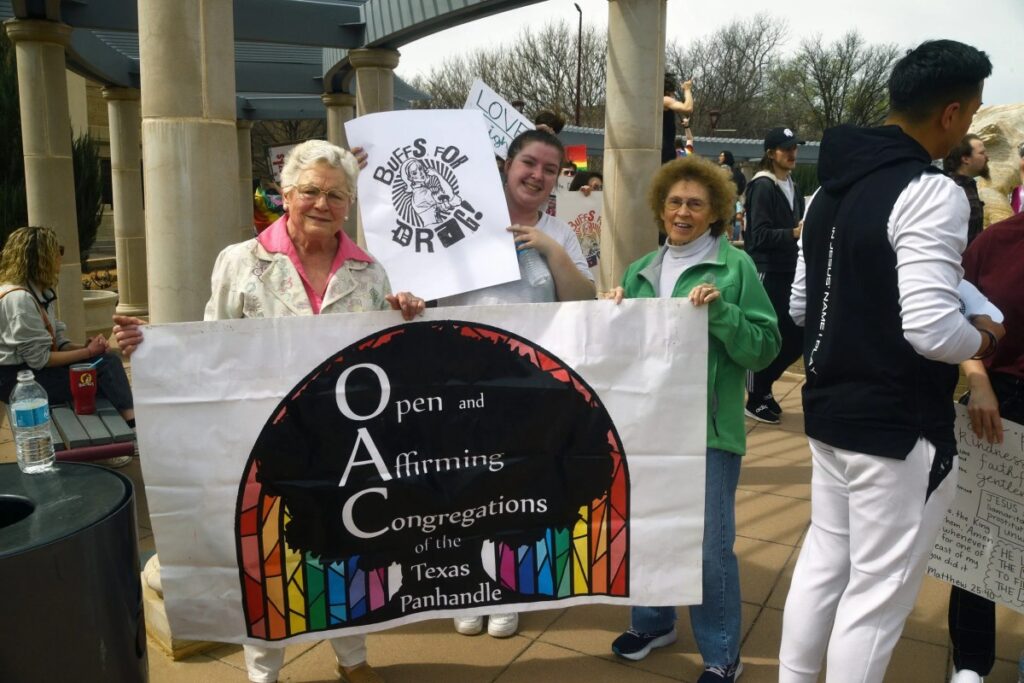
Texas Attorney General Ken Paxton praised the court’s decision, stating his commitment to protecting children from exposure to inappropriate performances. In contrast, plaintiffs and representatives from the American Civil Liberties Union of Texas described the ruling as “heartbreaking” for drag performers and supporters of free expression.
The groups emphasized that “Drag is not a crime. It is art, joy and resistance — a vital part of our culture and our communities.”


