
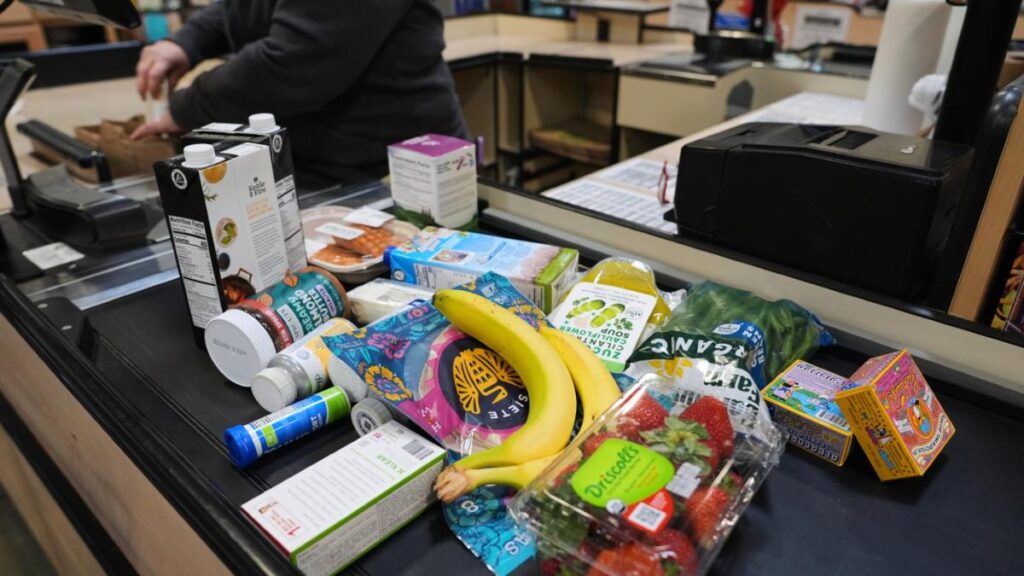
Supreme Court grants extension on food stamp benefits
The Supreme Court has provided the Trump administration with additional time regarding food stamp benefits, allowing Congress more opportunity to resolve the ongoing government shutdown and navigate the associated legal challenges.
In a brief order, the justices maintained their hold on a lower-court decision that mandated immediate payment of 100% of benefits. This stay will remain in effect until November 13, which is beyond the timeline Republicans aim for to reopen the government and restore funding for the food stamp program.
The Senate passed a spending bill aimed at reopening the government earlier this week, with a House vote scheduled for Wednesday. President Trump has indicated his willingness to sign this measure, which would bring an end to what has become the longest shutdown in U.S. history.
The shutdown commenced on October 1; however, food stamp payments were still processed for that month. Officials from Trump’s administration have stated that they lack funds to cover November’s benefits due to the ongoing shutdown.
A coalition of local governments and advocacy organizations filed lawsuits claiming there are contingency funds available and that alternative financial resources could be utilized by the administration.
U.S. District Judge John McConnell Jr., appointed by Obama, initially ruled that partial payments could be made using contingency funds covering 65% of monthly benefits. He later ordered that money be redirected from school lunch programs to ensure full benefit payments.
Justice Ketanji Brown Jackson temporarily halted this second order while further proceedings took place in lower courts. The Supreme Court did not provide specific reasoning for extending its stay on Judge McConnell’s ruling.
Despite being part of the original blockade, Justice Jackson expressed her disagreement with extending it further.
Solicitor General D. John Sauer urged justices to intervene and halt lower court actions, arguing it could disrupt congressional negotiations.
The Supplemental Nutrition Assistance Program (SNAP), commonly known as food stamps, has emerged as a significant issue during this governmental impasse. Democrats have accused Trump’s administration of using vulnerable populations as leverage in budget discussions.
The administration contends that resuming funding hinges on Democrats agreeing to drop their filibuster efforts and passing a new spending bill—a development that occurred after enough Democrats shifted away from their leaders’ strategy.


