
Democrats’ Proposal for Government Shutdown Resolution
Senate Democrats have introduced a new plan aimed at resolving the government shutdown, which includes a one-year extension of enhanced premium subsidies for Obamacare that are set to expire soon.
During a speech on the Senate floor, Senate Minority Leader Charles E. Schumer, a Democrat from New York, detailed the proposal. He emphasized that the one-year extension of these subsidies should be part of a stopgap bill to fund the government, along with establishing a working group focused on developing a long-term health care strategy.
“The Senate could do this within a few hours,” Schumer stated, describing the offer as reasonable. He noted that this plan respects Republicans’ request to delay health care negotiations until after the shutdown by simply extending existing laws for another year.
Schumer mentioned that Democrats are open to discussing potential reforms to the subsidies in future years after the shutdown concludes.
In response, Senate Majority Leader John Thune, a Republican from South Dakota, dismissed the proposal as a “nonstarter.” He argued that extending Obamacare subsidies without addressing necessary changes would not gain Republican support. Thune highlighted concerns such as ensuring that these subsidies do not fund health plans covering abortion.
The enhancements made during the COVID-19 pandemic expanded premium tax credits for Obamacare coverage and limited consumers’ out-of-pocket costs to 8.5% of household income. If Congress does not act before their expiration this year, average consumer premium costs could more than double.
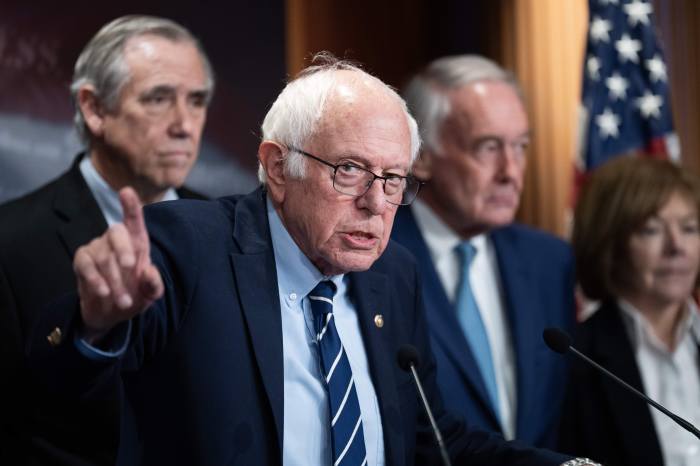
Schumer asserted that their proposal would reopen the government and provide financial relief to families currently seeking health care options. Many Senate Democrats expressed their support during Schumer’s remarks and echoed similar sentiments in their speeches.
Senator Gary Peters from Michigan emphasized that while lawmakers work toward a long-term solution for health care issues, immediate relief is essential so people do not suffer unnecessarily. Senator Peter Welch from Vermont noted that extending these enhanced subsidies is crucial given the ongoing open enrollment period.
Peters pointed out that while there may be trust in Republicans regarding separate votes on subsidy extensions in the Senate, there is no assurance it will pass in the House. This uncertainty drives their desire to attach it directly to legislation aimed at reopening the government.
Thune acknowledged some progress in Democrats’ willingness to negotiate compared to previous proposals but maintained skepticism about whether it meets Republican needs. He remarked on how this shift indicates they are feeling pressure regarding public sentiment around health care issues.


