
Opinion
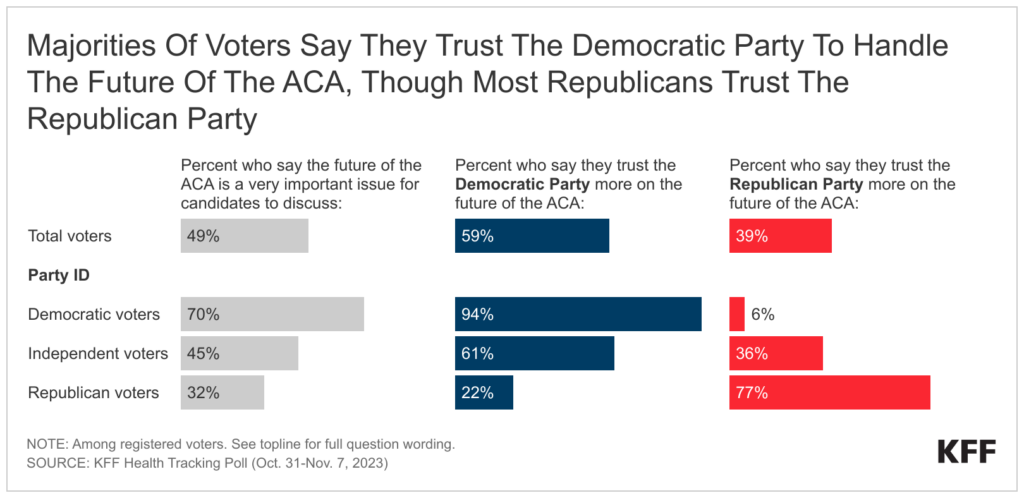
As we enter the new year, attention is shifting towards the upcoming midterm elections in November. Pollsters suggest that key issues such as health care and the overall affordability of life in the American economy will play a significant role in shaping voter decisions.
This focus on economic concerns is not surprising, as they often drive voter motivation. However, it is troubling to see national news outlets neglecting to address who is responsible for these pressing issues and who is actively working to resolve them.
If you rely on traditional news sources for your daily updates, you may not hear about who contributed to the current problems (Spoiler: It was the Democrats). You also won’t be informed about those who have successfully worked to improve the U.S. economy (Hint: It’s the current president).
Recently, a publication made optimistic predictions regarding a strong midterm performance for Democrats based on polling data related to economic matters. A Democratic spokesperson claimed that voters are frustrated with rising costs and are looking for leaders who will advocate for them.
This perspective, shared by many in Washington media circles, assumes that Democrats will benefit from public discontent directed at those currently in power—the Republicans controlling both the White House and Congress.
While this prediction aligns with historical trends, what if media outlets provided voters with a more comprehensive narrative?
What if journalists didn’t merely present a snapshot of the current political landscape but instead explained how we arrived at this point? Specifically, who created the issues that have led to public dissatisfaction?
In an unusual twist of logic found within leftist politics and journalism, those responsible for creating problems are often portrayed as trustworthy figures capable of resolving them.
When it comes to health care, Democrats promoted Obamacare as a solution for America’s systemic issues while Republicans warned it would lead to government overreach. History has shown that Republican concerns were valid from the outset.
In an attempt to extend COVID-19 pandemic subsidies for Obamacare, Democrats even instigated a record-length government shutdown. This essentially meant fighting for billions of dollars intended for large health insurance companies known for raising prices without restraint—essentially turning Obamacare into an endless financial burden.
In contrast, former President Trump advocated directing funds straight to consumers. Republicans support initiatives like health savings accounts and affordable catastrophic policies aimed at attracting younger individuals back into the marketplace. They also believe small businesses should collaborate across state lines to enhance insurance pool sizes and achieve cost efficiencies.
When discussing affordability, we can already see how media narratives align with Democratic interests.
A recent example includes praise heaped upon Virginia Governor-elect Abigail Spanberger during her successful campaign focused on “affordability.” What was overlooked was her role as a Congress member contributing to inflation by supporting various misguided actions taken by the Biden administration.
Biden’s aggressive stance against American energy from day one led fuel prices—and consequently everything else—to soar. His administration’s excessive federal spending further exacerbated inflationary pressures. Despite this reality, Spanberger was celebrated by media outlets as part of the solution in Virginia.
In states like Colorado and California, Democrats have spent years imposing taxes and regulations on energy companies while treating them as adversaries. Now they find themselves pleading with power plants to remain operational due to inadequate green energy alternatives.
This raises questions about whom we should trust regarding economic matters?
An important fact often omitted is that Trump has revitalized American business following Biden’s lackluster tenure. The economy grew by 4.3% last quarter—the fastest rate in two years—exceeding expectations while bringing inflation down significantly.
If we examine these facts closely, campaigns centered around health care and economic stability should favor Republicans rather than Democrats. If these topics dominate discussions leading up to elections, Republicans should confidently embrace them.


