
Quiet Advocacy for Ranked Choice Voting
Democratic leaders and activists are discreetly advocating for the implementation of ranked choice voting, a move that could significantly alter the dynamics of the party’s primaries.
Sources indicate that proponents of this voting method recently held a private meeting with Ken Martin, Chair of the Democratic National Committee (DNC), along with other key officials, to explore its potential use in the 2028 presidential primaries.
This voting system allows voters to rank candidates based on their preferences, influencing how ballots are cast and how votes are counted.
During an October meeting, Representative Jamie Raskin from Maryland, pollster Celinda Lake, and members of FairVote Action presented their case for ranked choice voting. Lake emphasized that this approach would benefit new candidates and grassroots movements by fostering positive campaigns.
At a DNC breakfast event in Washington, supporters argued that adopting ranked choice voting would enhance party unity, reduce wasted votes when candidates withdraw from races, and promote coalition-building among contenders.
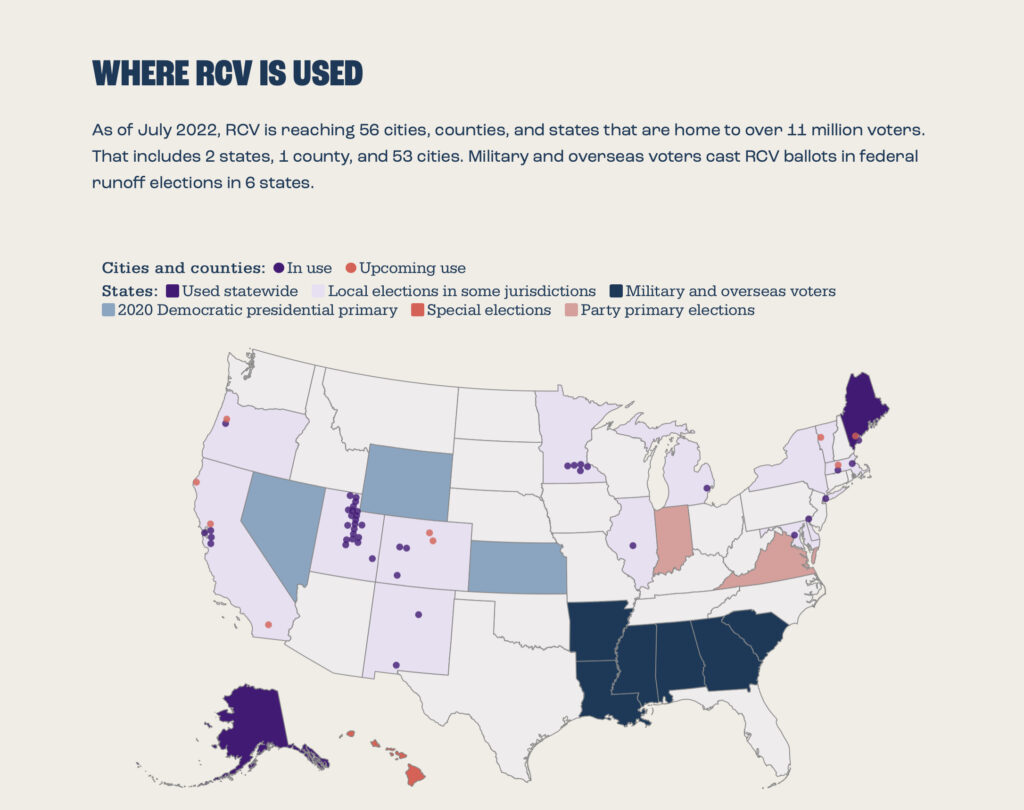
According to FairVote Action, seven states and 14 cities and counties utilized ranked choice voting in recent elections. Notably, major cities like New York City, Minneapolis, and Salt Lake City have implemented this system.
The Democratic primary in New York City saw Mayor-elect Zohran Mamdani emerge victorious through ranked choice voting, with 78% of voters ranking multiple candidates for mayor.
The proposal has received varied responses within the DNC. While some committee members express openness to the idea, others suggest looking to state-level experiences as guidance.
For ranked choice voting to be adopted in primaries, it requires backing from the DNC’s rules committee and a majority vote from its 450 members. Additionally, state parties must approve changes to their election laws.
The logistics surrounding early voting states also play a crucial role in shaping the primary calendar. Concerns about longer wait times at polling places present challenges that need addressing.
Raskin noted that this approach encourages positive campaigning over negative tactics—a significant shift he believes is beneficial for Democratic primaries. He referenced past contentious primaries between Hillary Clinton and Senator Bernie Sanders as examples of divisive politics within the party.


