
Democrats capitalize on election wins
Senate Democrats are using their party’s significant successes in the recent elections as a catalyst to continue their fight regarding health care costs.
The Democratic candidates’ focus on reducing costs resonated with voters in states like New Jersey, New York, and Virginia, which is now central to the ongoing shutdown discussions.
“Democrats across the country who campaigned on affordability emerged victorious because that is what we are fighting for,” stated Senator Elizabeth Warren from Massachusetts. “Health care is just one aspect; it also includes utility bills, grocery prices, and housing costs—all areas where Donald Trump promised reductions but have instead seen increases.”
Senator Peter Welch from Vermont noted that this message was effectively communicated by candidates across the political spectrum.
“The election results clearly demonstrated the strength of the affordability agenda, with Democrats ranging from conservatives in Georgia to democratic socialists in New York,” he remarked.
This includes two Democrats defeating Republicans on the Georgia Public Service Commission, which oversees utility rates; democratic socialist Zohran Mamdani winning the mayoral race in New York City; and Abigail Spanberger and Mikie Sherrill securing gubernatorial positions in Virginia and New Jersey, respectively.
See also: Trump’s plea to eliminate filibuster fails among Senate Republicans
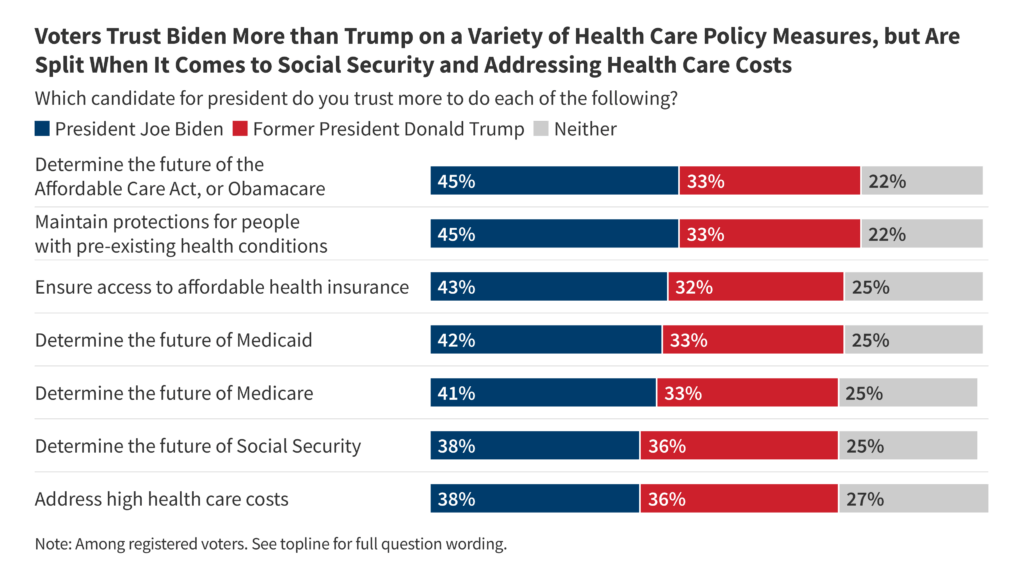
Senate Democrats have been obstructing a temporary spending bill aimed at reopening the government while urging Republicans to negotiate on lowering health care expenses. Their primary demand is an extension of enhanced premium tax credits that help reduce costs for consumers purchasing insurance through Obamacare marketplaces.
If these enhanced subsidies—initially implemented as a temporary measure during COVID-19 lockdowns—expire this year as planned, out-of-pocket premium costs could more than double for many consumers.
Democrats are warning that individuals are starting to experience “sticker shock” now that open enrollment has commenced.
“People are terrified about how they will afford their premiums. They recognize that Democrats are advocating for them while Republicans remain inactive regarding the health care crisis,” said Senate Minority Leader Charles E. Schumer from New York. “Last night’s elections showed Republicans felt the consequences.”
President Trump admitted that the government shutdown negatively impacted Republican prospects during the elections, particularly in traditionally blue states like New Jersey, New York, and Virginia.
Schumer pointed out these comments and asserted that election outcomes should serve as a wake-up call for Trump to collaborate with Democrats to resolve this crisis.
See also: Election victories boost Democratic confidence amid economic concerns
He and House Minority Leader Hakeem Jeffries sent a letter to President Trump requesting a meeting to initiate discussions on health care reforms aimed at ending the shutdown.
A bipartisan group of senators is actively engaged in discussions about how to resolve the shutdown. Their talks have focused on advancing full-year appropriations bills alongside measures to reopen government operations while ensuring at least a vote on extending enhanced Obamacare subsidies.
The Senate Democratic caucus remains divided over whether merely securing a vote would suffice. Most members express a desire for guaranteed extensions of subsidies rather than relying solely on promises of future votes.
Republican leaders have consistently stated they would only discuss potential health care agreements after reopening government operations without guaranteeing any specific outcomes.


