
Opinion
If public safety is the measure of a civilized society, then chaos may be imminent.
The longstanding agreement between citizens and their government — paying taxes in exchange for protection — is deteriorating. A shocking incident occurred on a commuter train in Chicago on November 17, where a man set 26-year-old Bethany MaGee ablaze after dousing her with gasoline while shouting threats.
The individual charged with this heinous act had an alarming history, with 72 prior arrests and was out on pretrial release for aggravated assault at the time. The victim is currently fighting for her life.
Chicago has recorded the highest number of homicides among U.S. cities for the past 13 years, maintaining the highest homicide rate in cities with populations over one million for seven consecutive years. In response to this attack, Mayor Brandon Johnson described it as “an isolated incident” and suggested that the city would continue to enhance its public transportation system, seemingly prioritizing comfort over safety.
Democrats often respond to crises they have contributed to by allocating more funds where they are least effective.
In Charlotte, North Carolina, on August 22, Iryna Zarutska, a 22-year-old Ukrainian refugee, was fatally stabbed on a commuter train. Her alleged attacker had 13 previous convictions and was free on bail awaiting trial for another violent offense. Why should repeat offenders be allowed to continue their criminal activities while awaiting trial?
Charlotte’s Mayor Vi Lyles echoed sentiments similar to those of Mayor Johnson by expressing concern for the assailant’s mental health rather than focusing on the victim’s plight.
A violent mob recently took control of a neighborhood in Queens, New York, damaging property and attacking residents who intervened. Such street takeovers are becoming increasingly common in urban areas governed by progressive policies.
New York’s incoming Mayor Zohran Mamdani proposes sending psychologists to manage domestic disturbances. While they may handle nonviolent situations effectively, there is concern about how they would respond if conflicts escalate into violence.
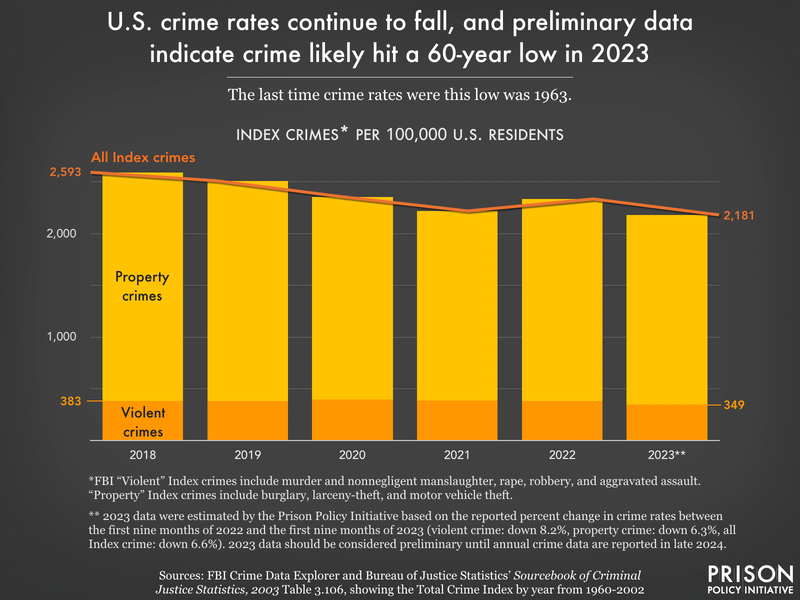
Urban crime rates are spiraling out of control. Under President Trump from 2016 to 2020, violent crime decreased by 17%. In contrast, under President Biden’s administration, it surged by 43%, as he focused more on issues like White nationalism rather than addressing rising crime rates directly.
The District of Columbia has transformed from a chaotic environment into one resembling a peaceful small town since federal troops were deployed during Trump’s presidency.
The left has spent decades exacerbating urban violence through ineffective policies.
Cashless bail allows dangerous individuals awaiting trial back onto the streets. The anti-police sentiment that gained traction during protests following George Floyd’s death led to significant increases in police retirements and resignations between 2020 and 2021.
The Democrats’ primary focus heading into future elections appears to be opposing the deportation of criminal aliens.
Their rhetoric surrounding U.S. Immigration and Customs Enforcement paints it as an oppressive force rather than acknowledging its role in prioritizing serious offenders such as murderers and rapists for deportation proceedings.
If government exists primarily to ensure our safety, it is failing miserably. It struggles with education standards; witness declining reading and math scores while imposing burdensome taxes and regulations that stifle businesses. In some states, controversial social policies are prioritized over basic law enforcement needs.
Civilization demands justice for victims while liberal ideologies often prioritize compassion towards criminals instead. Achieving societal order requires commitment; however, liberalism seems focused more on garnering votes through fear-mongering among minority groups.
Liberal crime policies pose not only risks but also threaten societal stability. We stand witness as civilization appears poised to undermine itself through misguided approaches.


