
Welcome to the Weekly Update
Hi, I’m George Gerbo, and this is our weekly update where we discuss the latest news and events with our reporters.
[GERBO] The longest government shutdown in history has finally concluded, allowing federal workers to return as Congress has passed a continuing resolution signed by President Trump. This resolution will fund the government until the end of January. What are the key components of this funding package that led to bipartisan agreement?
[MCPHERSON] The shutdown lasted 43 days, but this package does not guarantee funding for most government operations for the entire fiscal year. Nine out of twelve annual spending bills are funded through a stopgap measure that maintains previous fiscal year levels until January 30th. However, three full-year funding bills have been included for Congress, the Department of Agriculture, and the Department of Veterans Affairs, ensuring stability for these agencies until September 30th.
This agreement fully funds SNAP benefits, which had been suspended during the shutdown—a significant concern for both parties. Additionally, Democrats secured provisions requiring the Trump administration to reinstate thousands of federal employees laid off during this period and prevent future layoffs until January 30th.
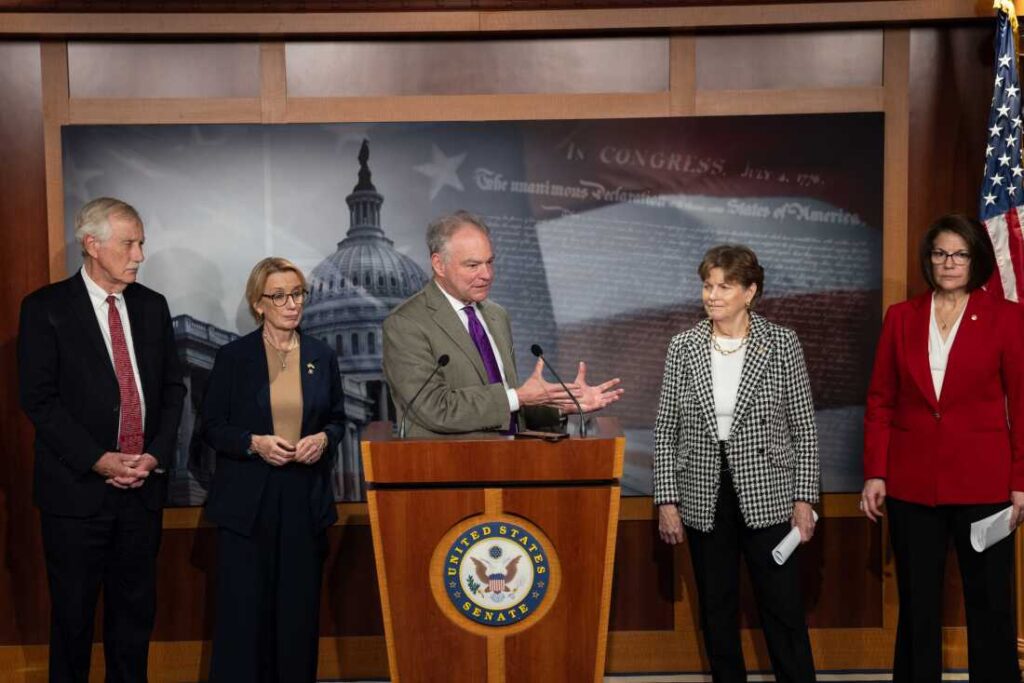
[GERBO] Democrats still face challenges regarding their primary issue that initiated the shutdown: extending Affordable Care Act subsidies. With open enrollment underway, many Americans risk losing health insurance coverage. When will they vote on this issue? The caucus appears divided after eight Senate Democrats sided with Republicans to advance discussions on ending the shutdown.
[MCPHERSON] There was significant disagreement among Democrats about whether to compromise without securing an extension for ACA subsidies. Those who voted with Republicans believed further negotiations would be futile during the shutdown. They felt that prolonging discussions would not lead to a favorable outcome and opted instead for a vote on extending ACA subsidies scheduled for no later than mid-December.
[GERBO] For Republicans, there seem to be no clear winners from this shutdown; public opinion polls indicate some blame directed at them as well. With Thanksgiving and Christmas approaching, lawmakers may hesitate to remain in Washington rather than spend time with their constituents and families. As we approach a new year filled with primary elections for midterms in 2026, what can House Speaker Mike Johnson realistically achieve before year-end?
[MCPHERSON] On healthcare issues, Mike Johnson is cautious about making commitments similar to those made by John Thune regarding votes on subsidies. He promises open discussions about lowering healthcare costs but faces tight deadlines as they also need to address full-year spending bills amidst ongoing negotiations.


