
Tragic Outcome of Kidney Transplant
A man from Michigan succumbed to rabies in January following a kidney transplant from a donor who had contracted the disease.
This incident marks only the fourth documented case of rabies transmission through organ transplantation in the United States since 1978, according to the Centers for Disease Control and Prevention (CDC).
The patient received a left kidney from a deceased donor in Idaho while at an Ohio hospital in December 2024. Approximately five weeks later, he began experiencing symptoms associated with rabies.
The man exhibited tremors, weakness in his lower limbs, confusion, and incontinence. A week after these symptoms appeared, he was admitted to the hospital with fever, hydrophobia, autonomic instability, and difficulty swallowing. By his second day there, he required invasive ventilation; it was on day four that doctors suspected rabies as the cause of his condition.
After spending a week in the hospital, the kidney recipient passed away 51 days post-transplant. Shortly thereafter, health officials confirmed he had rabies. His family informed Michigan public health officials that he had not encountered any potentially rabid animals.
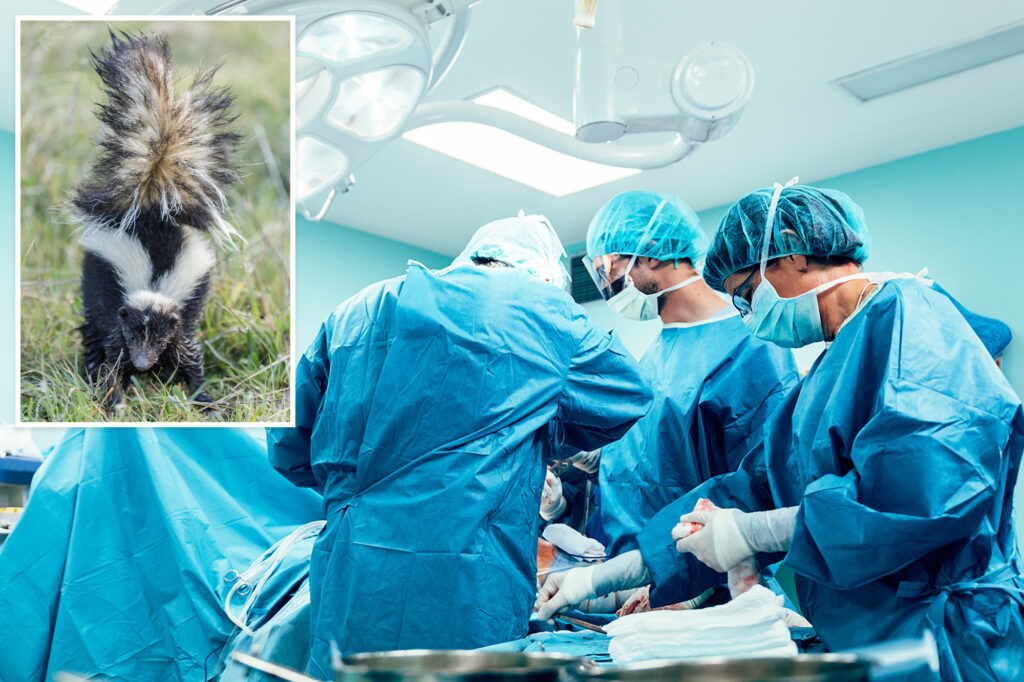
Rabies is not typically included in standard pathogen screening for organ donors due to its rarity and the complexities involved in diagnostic testing. Initially, hospital staff treating the donor were unaware of a skunk scratch that contributed to his condition and attributed his pre-admission symptoms to existing health issues.
The donor’s risk assessment questionnaire indicated that he had been scratched by a skunk prior to donation. Further inquiries revealed that this incident occurred after the skunk displayed aggressive behavior towards a kitten on his property.
Similar to the eventual recipient of his kidney, the Idaho donor began showing symptoms about five weeks after being scratched. He suffered from neck stiffness, hallucinations, swallowing difficulties, and mobility issues before experiencing presumed cardiac arrest. He was hospitalized but never regained consciousness and was removed from life support after five days.
Once authorities suspected rabies as a factor in his death, they detected rabies virus RNA in samples taken from his right kidney. Following this confirmation, three recipients of cornea grafts from this donor—located in California, Idaho, and New Mexico—had their grafts removed and received post-exposure prophylaxis as a precaution against contracting rabies.
Additonally, 357 individuals who may have been exposed to either the donor or recipient underwent risk assessments; 46 were advised to receive post-exposure prophylaxis as an additional preventive measure according to CDC guidelines.


