
Introduction of the Rural Health Fund
The administration has revealed plans to distribute funds from a $50 billion rural health initiative, which was included in a significant legislative package. This funding aims to support healthcare improvements across all 50 states.
The allocation of funds will commence in 2026, with each state expected to receive an average of $200 million from the Centers for Medicare and Medicaid Services. The highest allocations will reach up to $281 million, while the lowest will be approximately $145 million.
Dr. Mehmet Oz, head of the CMS, emphasized the importance of this initiative during a press briefing. He stated that this effort seeks to address the disparities in healthcare access that often correlate with geographic location.
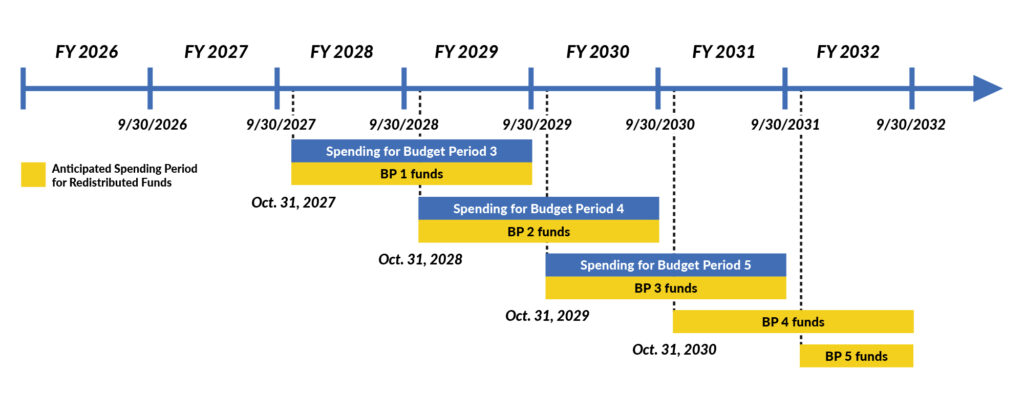
Half of the total funding is designated for equal distribution among states over a five-year period. Dr. Oz clarified that this investment is aimed at restructuring the healthcare system rather than merely covering existing expenses.
The states projected to receive the largest amounts in fiscal year 2026 include Texas, slated for over $281 million, and Alaska, expected to receive more than $272 million. Conversely, New Jersey is anticipated to receive around $147 million.
Some critics argue that this fund may not sufficiently compensate for recent cuts made to Medicare and Medicaid programs. According to KFF, a health policy research organization, these cuts could significantly affect rural communities.
The distribution amounts were determined based on an extensive review process considering three main criteria: 50% based on rural characteristics, 20% on state policy actions, and 30% on initiatives undertaken by states.
Dr. Oz mentioned that dedicated project officers from CMS will assist each state in achieving their outlined goals and that progress reports will be required from states regarding their commitments.
Health and Human Services Secretary Robert F. Kennedy Jr. highlighted the significance of this investment in ensuring equitable access to quality healthcare for over 60 million Americans living in rural areas. He expressed optimism about local hospitals and clinics gaining greater control over their communities’ healthcare services as a result of this initiative.


