
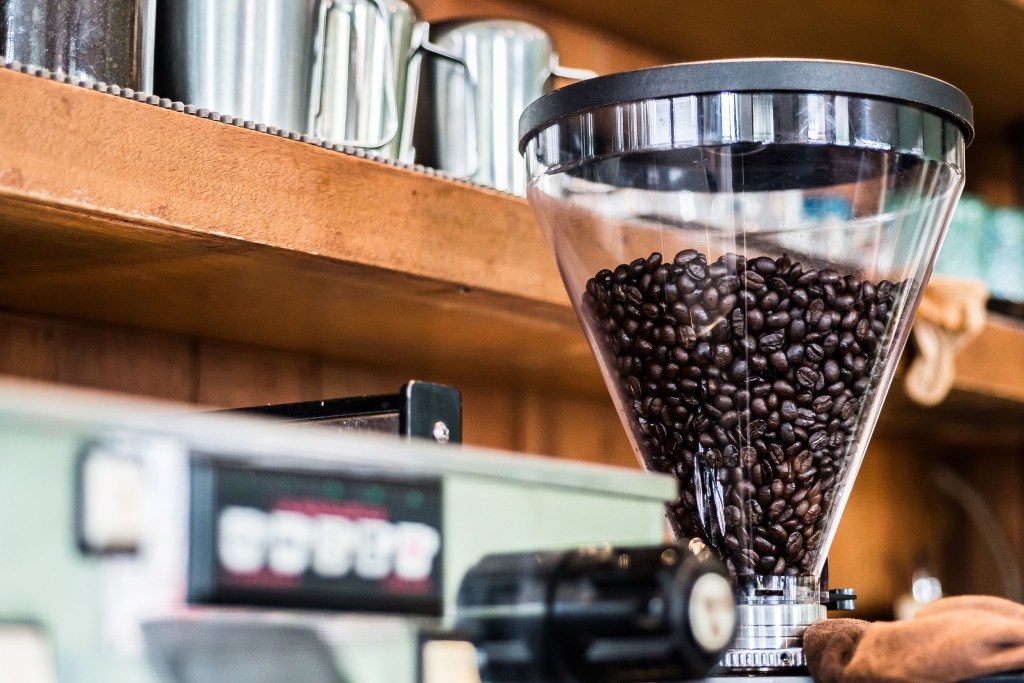
Good News for Coffee Lovers
Coffee enthusiasts can look forward to some relief as the current administration plans to reduce tariffs on select imported goods, including coffee beans sourced from Brazil.
During an appearance on a morning news show, Treasury Secretary Scott Bessent indicated that this tariff relief would extend to grocery items that are challenging to cultivate domestically.
Bessent stated, “You’re going to see significant announcements in the coming days regarding products we don’t grow here in the United States, with coffee being one of them,” along with bananas and other fruits.
The previous administration’s decision to impose steep tariffs on imports, including a 50% tariff on Brazilian coffee, has had noticeable effects in grocery stores. The average price for a pound of ground coffee surged to $9.14 in September, marking a 41% increase compared to last year. Producers attribute this rise to adverse weather conditions and the new tariffs.
The rationale behind these tariffs was aimed at protecting American industries by promoting domestic production. However, critics find it puzzling given that the U.S. enjoyed nearly a $7 billion trade surplus with Brazil in 2024.
Representative Ro Khanna from California has introduced legislation seeking the elimination of coffee tariffs, arguing that it is illogical to tax an industry with minimal presence in the U.S.
The administration faces mounting pressure to lower grocery prices after campaigning against inflation issues that plagued previous leadership. Recent electoral victories by Democrats have further emphasized affordability as a key concern among voters.
The president has also suggested increasing imports of Argentine meat as a strategy to lower beef prices and has directed investigations into potential collusion among foreign-owned meatpacking companies keeping prices elevated.
Bessent did not provide specific details about how the upcoming changes would be implemented but assured that they would lead to immediate price reductions. “That will bring prices down very quickly,” he noted.
The alcohol sector is also seeking similar tariff relief, particularly concerning products from the European Union. Chris Swonger, CEO of the Distilled Spirits Council, emphasized that unique spirits like Scotch and Irish whiskey should not be subject to high tariffs as they are tied closely to their countries of origin.
Bessent remarked that current policies aim to revive U.S. manufacturing and enhance wages for American workers while acknowledging criticisms regarding increased costs due to tariffs affecting consumers at checkout counters.


