
Consumer Spending Expected to Thrive
Despite a decline in consumer sentiment and rising tariffs affecting some gift prices, retailers are optimistic about the upcoming holiday season, anticipating that shoppers will spend over $1 trillion.
Recent trends show that wages have outpaced inflation, and the unemployment rate remains low, even amid concerns about potential hiring slowdowns.
According to LendingTree, tariffs imposed by President Trump on imported goods could lead to an additional $132 in costs per shopper this holiday season.
The University of Michigan’s Consumer Sentiment Index recently reported a reading of 50.3, reflecting a 6.2% drop from the previous month. Economists describe this situation as complex; while consumers express dissatisfaction with the economy and face increased costs, they remain committed to purchasing gifts for their loved ones.
Matthew Shay, President and CEO of the National Retail Federation (NRF), noted that even with low consumer sentiment, spending continues to drive economic activity. He confidently stated, “Somehow, every year, Santa Claus comes,” suggesting that holiday spending will persist.
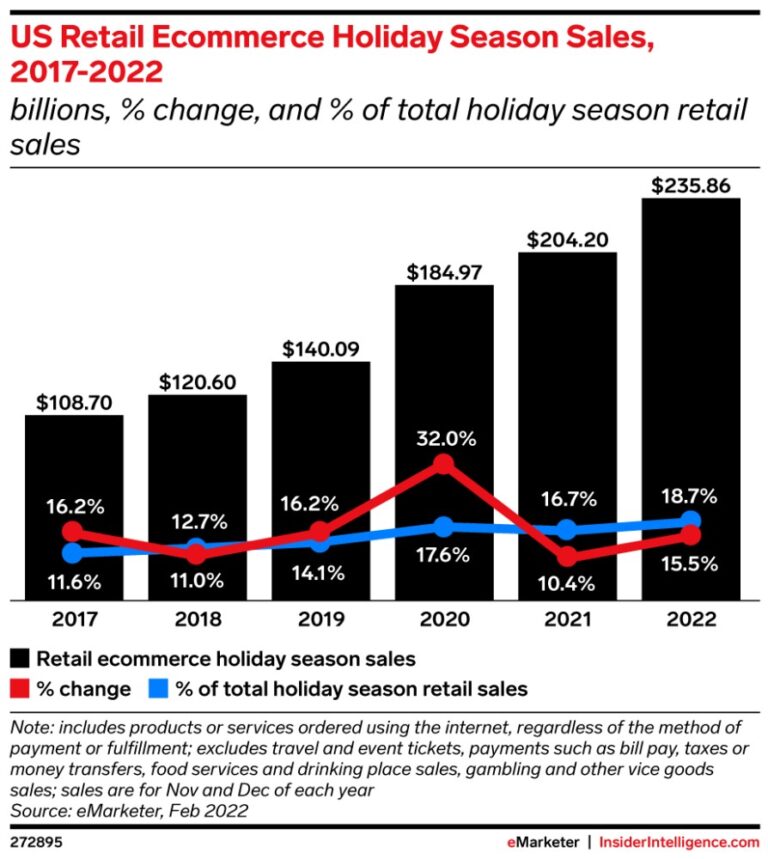
The NRF forecasts that holiday sales from November 1 to December 31 will rise by 3.7% to 4.2%, potentially reaching up to $1.02 trillion compared to last year’s $976.1 billion.
Deloitte also predicts an increase in retail sales this holiday season by 3.1% to 5.4%, surpassing the $1 trillion mark.
A White House spokesperson attributed robust consumer spending data to confidence in President Trump’s economic policies despite ongoing media concerns about economic stability.
Avison Young highlighted that different income groups will experience varying levels of demand during the holiday shopping season, leading to “uneven demand.” Value-oriented retailers are expected to benefit from cautious consumers seeking deals.
Steve Hanke from Johns Hopkins University emphasized that affluent Americans will significantly influence Christmas spending patterns this year as they account for nearly half of all consumption.
This year’s Black Friday and Cyber Monday are anticipated to be crucial as retailers aim to attract price-sensitive shoppers looking for bargains amidst rising prices on electronics and clothing due to tariffs.
LendingTree estimated that if tariffs had been applied during last year’s holiday season, it would have resulted in an extra cost burden of $40.6 billion on gift purchases for consumers and retailers alike.
LendingTree’s chief consumer finance analyst Matt Schulz remarked: “For most Americans, spending an extra $132 at the holidays is significant.” He noted that many families could feel this impact during their celebrations.


