
Lawmakers Challenge Health Insurance Practices
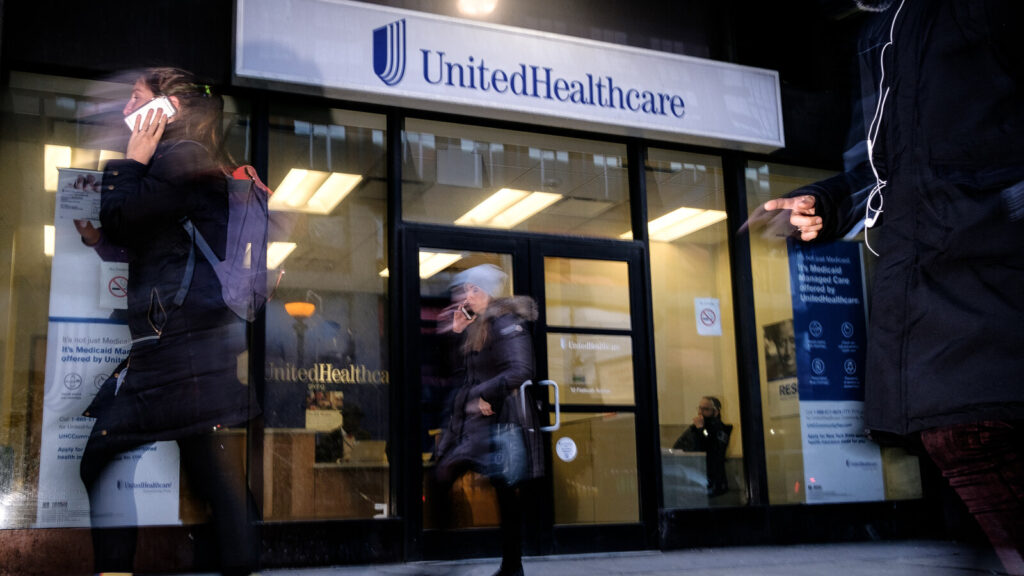
During recent hearings, House lawmakers confronted five health insurance executives regarding their companies’ practices that prioritize profits over patient care. One notable case involved UnitedHealth denying coverage for a Washington state patient who required hospitalization after suffering a stroke, labeling the treatment as medically unnecessary.
A California family shared their struggle of appealing UnitedHealth’s denial of coverage for their three-year-old’s rare bladder tumor treatment, which ultimately led them to declare bankruptcy due to overwhelming medical debt. These personal accounts underscored the frustrations many face with insurance companies.
Rep. Kim Schrier from Washington expressed her constituents’ discontent, stating, “This is why so many people hate their insurance companies.” UnitedHealth Group CEO Stephen Hemsley faced significant questioning but could not adequately justify his company’s decisions regarding denied claims.
The hearings also addressed the alarming rise in healthcare costs in the U.S., which have outpaced inflation and surpassed spending in other wealthy nations. Since the implementation of the Affordable Care Act in 2010, premiums have surged by approximately 90%. For instance, average annual premiums rose from $5,066 for individual coverage to $9,325 by 2025.
Lawmakers from both parties expressed concern about marketplace consolidation and vertical integration within the industry. Rep. Greg Murphy from North Carolina suggested starting anew to foster competition among insurers. Meanwhile, Rep. Alexandria Ocasio-Cortez highlighted CVS Health’s extensive reach across various sectors as an example of problematic corporate monopolies.
The issue of executive compensation also came under scrutiny during the hearings. Ways and Means Chairman Jason Smith pointed out that three major health insurance companies generate nearly $1 trillion in annual revenue while executives receive substantial bonuses. Rep. Nanette Barragan noted that Hemsley received a one-time equity award worth $60 million, emphasizing systemic flaws within the industry.


