
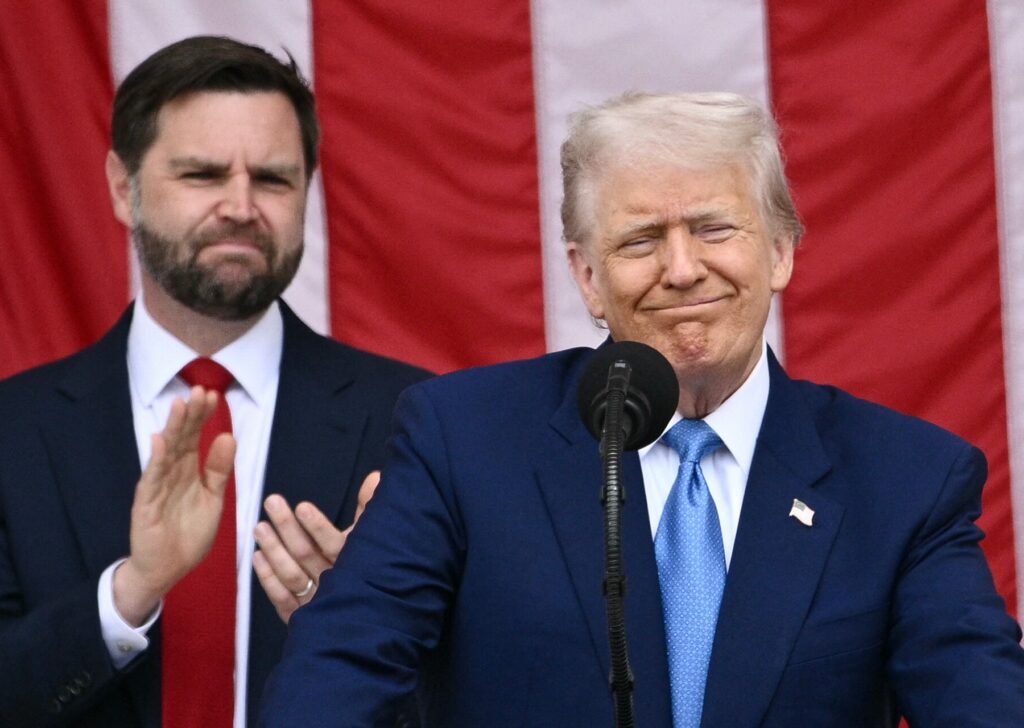
Trump’s Call for New Leadership
Over the weekend, President Trump urged for “new leadership” in Iran shortly after Iranian Supreme Leader Ayatollah Ali Khamenei launched a social media attack, blaming Trump for the violent protests erupting in Tehran and the resulting deaths of thousands of Iranians.
This exchange comes at a particularly fraught time for relations between the U.S. and Iran, with speculation mounting that Trump might consider military action against the Islamic Republic and potentially target Khamenei himself. The recent U.S. operation that captured Venezuelan President Nicolas Maduro indicates a willingness from the Trump administration to use military force to remove foreign leaders.
Tehran has experienced widespread protests over recent weeks, leading to a severe crackdown by authorities that has resulted in thousands of fatalities. Although this response appears to have temporarily quelled demonstrations, no significant protests were reported over the weekend.
The regime’s approach to handling dissent has been brutal, with estimates suggesting that over 10,000 people may have died; however, precise figures are hard to ascertain due to an internet blackout across much of the nation. The Human Rights Activists News Agency confirmed at least 3,766 deaths as of Sunday.
Throughout these events, Iranian officials have blamed external forces linked to the U.S. and Israel for inciting unrest. However, Khamenei specifically held Trump accountable: “We find the U.S. president guilty due to the casualties, damages and slander he inflicted upon the Iranian nation,” he stated on X.
In an interview with Politico following Khamenei’s remarks, Trump reiterated his call for new leadership in Iran: “What he is guilty of is the complete destruction of the country and violence at unprecedented levels.” He emphasized that effective leadership should prioritize respect rather than instilling fear through violence.
This latest confrontation adds to Trump’s history with Iran; during his first term, he ordered a strike that killed top Iranian General Qassem Soleimani, bringing both nations close to war shortly thereafter.
Last June saw Trump order airstrikes against key Iranian nuclear sites; however, Iran retaliated by attacking al-Udeid Air Base in Qatar without causing casualties due to U.S. defenses.
The future remains uncertain regarding post-Khamenei governance in Iran. Trump’s calls for new leadership are likely to resonate within Tehran and throughout the Middle East.
Iranian President Masoud Pezeshkian warned that any U.S. actions targeting Khamenei would be viewed as an act of war against Iran.
Experts question whether military strikes would lead to meaningful change if Khamenei remains in power. Representative Jim Himes expressed skepticism about whether targeting military assets would effectively support uprisings against oppressive regimes.


