
Congressional Spending Bills Stalled
Since the conclusion of a 43-day government shutdown, Congress has yet to pass any spending bills. Lawmakers will have limited time to address this when they reconvene in January.
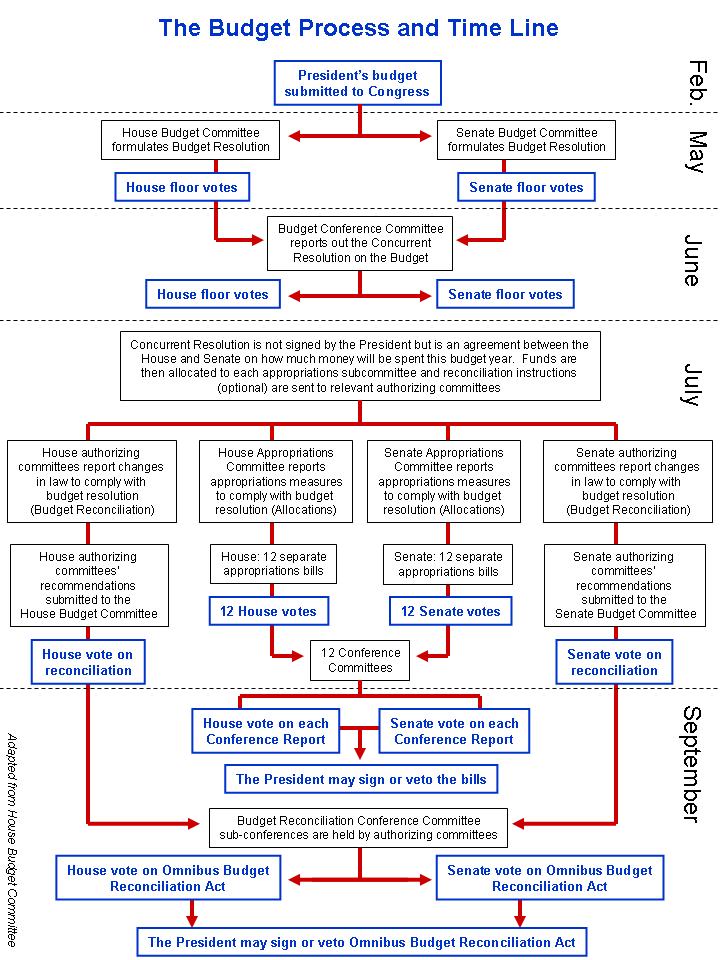
The agreement that ended the shutdown provided full-year funding for three out of twelve annual spending bills. The remaining nine are currently operating under temporary funding, which is set to expire on January 30.
Senator John Kennedy from Louisiana remarked, “We’ve lost a lot of time.” Meanwhile, Senator Chris Coons from Delaware warned that it would take every minute available until the deadline to finalize the remaining bills. He emphasized the importance of maintaining Congress’s power over budgetary decisions.
Despite failing to pass any appropriations bills after the longest shutdown in U.S. history ended on November 12, lawmakers from both parties remain hopeful about avoiding another funding lapse next year. Senate Majority Leader John Thune expressed optimism about reaching an agreement, stating that neither party wants another shutdown.
Senate Minority Leader Chuck Schumer indicated he does not plan to lead his caucus into another shutdown battle over healthcare issues, despite pending expirations of Obamacare premium subsidies. He believes there is a strong chance both parties can agree on passing the remaining nine appropriations bills for fiscal 2026.
The Senate spent time post-shutdown attempting to advance a five-bill spending package covering various departments including Defense and Education. However, unanimous consent was not achieved due to objections from some senators seeking concessions.
Sens. Ron Johnson, Mike Lee, and Rick Scott placed holds on the appropriations package while advocating for amendments related to earmarks and federal worker protections during funding lapses. They ultimately secured commitments regarding their concerns but faced challenges in advancing the overall package before the holiday recess.
The Trump administration’s decision to dismantle the National Center for Atmospheric Research (NCAR) has also complicated negotiations. Colorado Senators Michael Bennet and John Hickenlooper have placed holds on spending packages until this issue is resolved, arguing that scientific institutions should remain free from political disputes.
As Congress prepares for its return in early January, House Appropriations Chairman Tom Cole announced progress on topline funding levels for remaining bills but noted that negotiations with the Senate are still necessary. The goal remains clear: pass all appropriations by January 30 while adhering to fiscal discipline as demanded by conservative members.


