
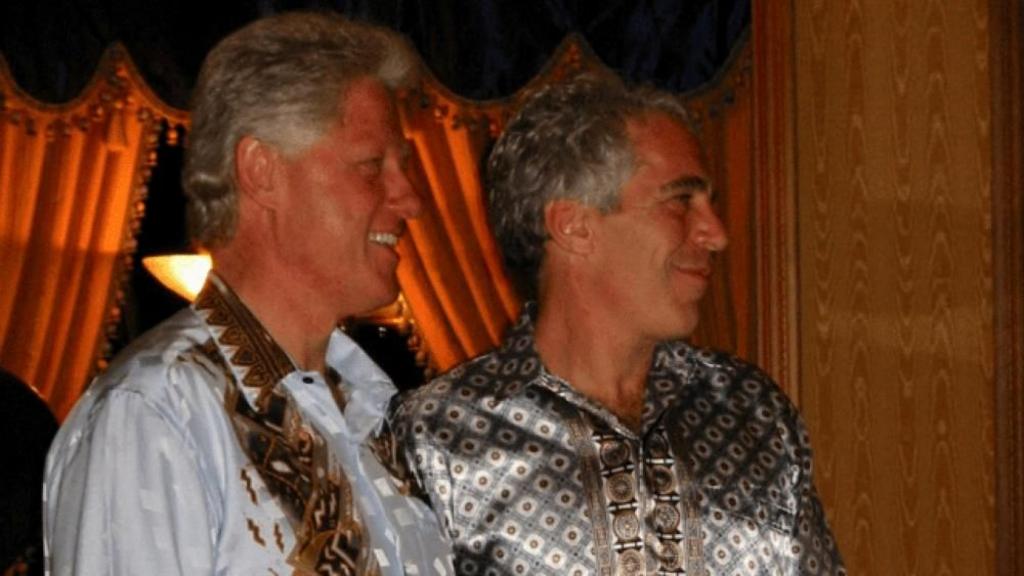
Lawmakers express concerns over Epstein case file release
Members of Congress have voiced strong objections to the Justice Department’s recent release of a heavily redacted portion of its files related to Jeffrey Epstein, claiming it does not comply with legal requirements. They are contemplating various actions, including potential impeachment, due to what they perceive as obstruction of justice.
Representative Ro Khanna, a Democrat from California, highlighted the absence of crucial documents in a video shared on social media. He stated, “We have not seen the draft indictment that implicates other wealthy and influential individuals associated with Epstein’s activities on his private island.”
Khanna, who co-authored the Epstein Files Transparency Act with Republican Representative Thomas Massie from Kentucky, criticized the release for being incomplete and containing “too many redactions.” He emphasized their commitment to working with survivors to ensure full transparency regarding these files.
A law passed last month mandated Attorney General Pam Bondi to publicly disclose all unclassified records related to Epstein and his associate Ghislaine Maxwell. The deadline for this disclosure was Friday; however, lawmakers argue that significant information remains undisclosed.
Related: Epstein files released by Justice Department
Deputy Attorney General Todd Blanche had indicated earlier that not all documents could be released by the deadline but assured that additional materials would be made available after necessary reviews.
The process of impeachment poses significant hurdles as it requires a majority vote in the House and a two-thirds conviction in the Senate. Additionally, inherent contempt powers allow Congress to penalize officials who violate laws.
Kahanna pointed out an example of excessive redaction—a 119-page document from a New York grand jury that was entirely blacked out—highlighting concerns about transparency.
Related: Former President Clinton mentioned in newly released Epstein files
Kahanna remarked on the lack of explanations for such extensive redactions despite a federal judge’s order for their release. Representative Robert Garcia noted that his committee is conducting its own investigation into Epstein and has begun reviewing the released files but confirmed they are not complete.
Democratic lawmakers have expressed intentions to consider legal action against the Justice Department if further disclosures are not made. Criticism has also been directed at Bondi for allegedly failing to adhere to legal mandates regarding transparency.
Senator Adam Schiff called for an inspector general investigation into how the Justice Department managed this document release and requested Bondi’s testimony before the Senate Judiciary Committee. He suggested that there may be information within those files that could reflect poorly on President Trump or others involved.


