
Pentagon’s Decision on Video Release
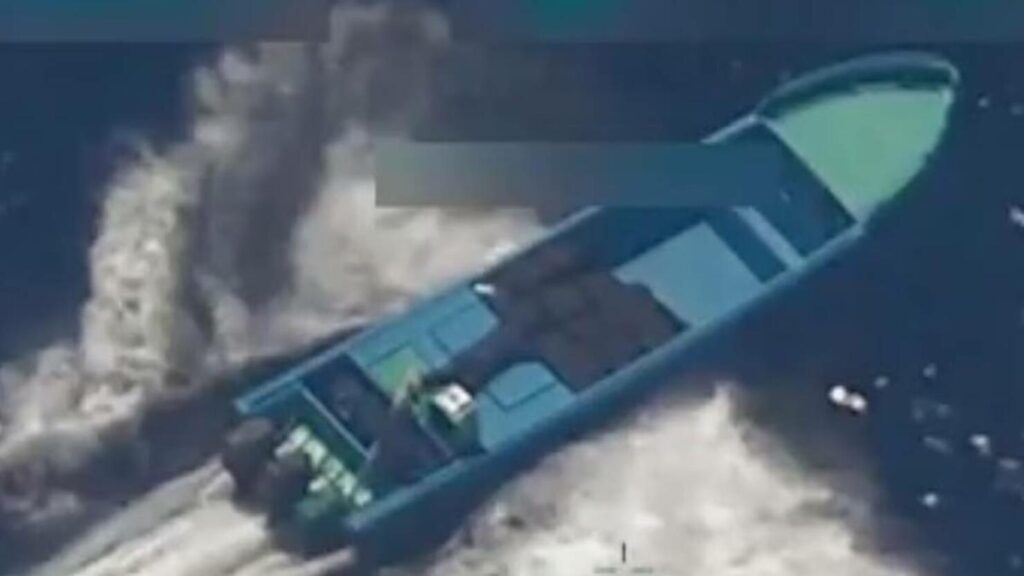
The Pentagon has announced that it will not make public the complete video of strikes carried out on a drug-smuggling vessel in the Caribbean last September.
During a recent meeting with lawmakers on Capitol Hill, Defense Secretary Pete Hegseth informed reporters that the unedited footage will remain classified for the foreseeable future.
“We’re not going to release a top secret, full, unedited video like that to the public,” Hegseth stated, emphasizing adherence to departmental policy.
While members of the House and Senate Armed Services committees will have access to the video, it will not be available to the general public.
Hegseth and Secretary of State Marco Rubio provided updates to lawmakers regarding ongoing military operations targeting alleged drug-smuggling vessels in both the Caribbean and eastern Pacific regions.
Initially, President Trump expressed openness to releasing the footage but later deferred the decision to Hegseth.
The September 2 attack resulted in the deaths of 11 individuals labeled as “narco-terrorists,” including two survivors who were killed in a subsequent strike. This incident has raised questions among public officials and sparked legal inquiries regarding its legality.
The central issue at hand is whether these strikes violated international law, specifically the Geneva Conventions.
The original footage depicts two suspected drug runners being targeted by a U.S. Special Operations aircraft. Both men survived this initial attack, leading to debates about whether subsequent strikes were justified under international law.
Admiral Frank Bradley reportedly authorized the second strike that killed these survivors; however, it was additional strikes that ultimately sank their vessel.
Following briefings, Republican lawmakers expressed little concern over releasing the video. Senator Lindsey Graham from South Carolina remarked that he believes it was a lawful operation and supports its release.
In contrast, Democratic lawmakers voiced their apprehensions and called for transparency regarding the video’s content.
“One hundred senators in the room, maybe six of us got to ask questions,” said Senator Mark Kelly from Arizona. “I have more questions now than when I walked in.”
Senator Richard Blumenthal from Connecticut has even suggested issuing a congressional subpoena for both the video and related documentation on these military actions.
The Justice Department claims that those targeted were deemed an “imminent threat,” according to sources familiar with internal documents. Discussions among lawmakers also focus on whether any further military actions against Venezuela would necessitate congressional authorization for use of force.
No authorization for military force (AUMF) has been granted concerning operations in either Caribbean waters or off Venezuela’s coast.


