
Trump’s Pressure Campaign on Venezuela
President Trump’s aggressive stance towards Venezuela extends beyond concerns about drugs, oil, and natural resources. Analysts suggest that his focus is driven by a complex mix of geopolitical, economic, and personal motivations aimed at undermining what many consider the illegitimate government of President Nicolás Maduro.
As Trump approaches the end of his term, he views Venezuela as a critical player in a global power struggle. The administration believes that with strategic military and geopolitical maneuvers, Venezuela could transition from a hostile regime to an ally rich in gold and oil reserves.
Moreover, Trump’s desire to remove Maduro reflects unfinished business from his first term. Christopher Sabatini from Chatham House notes that key figures within the administration are convinced that Maduro’s regime is weaker than ever, pushing for renewed efforts to oust him.
Sabatini warns that if Trump fails to achieve regime change in Venezuela, it could portray him as ineffective. This sentiment was echoed by Senator Lindsey Graham, who cautioned against allowing Maduro to remain in power, labeling it a significant error for U.S. foreign policy.
The administration has not shown signs of retreating from its hardline approach. Recent military actions include strikes against alleged drug boats and the seizure of Venezuelan oil tankers linked to Hezbollah and Iran.
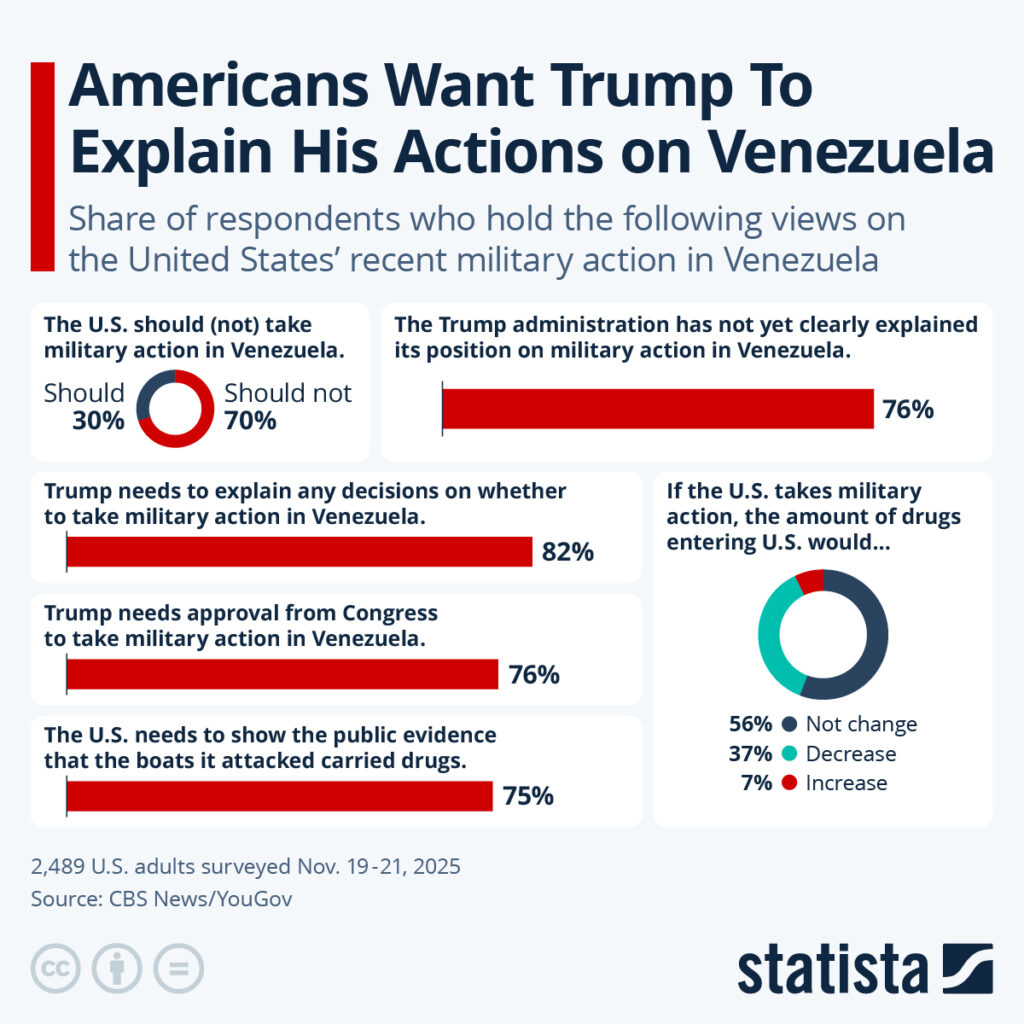
Despite ongoing military operations, lawmakers express concern over the lack of clarity regarding U.S. objectives in Venezuela. Senator Mark Warner emphasized the need for Trump to articulate clear goals before escalating military involvement.
Toppling Maduro could potentially facilitate efforts to curb drug trafficking into the U.S., but there are also significant resource considerations at play. Venezuelan opposition leader María Corina Machado highlighted how a new government might open avenues for international investment in the country’s vast natural resources.
Venezuela boasts some of the world’s largest oil reserves and substantial mineral wealth. However, production has plummeted dramatically over recent years due to various factors including nationalization policies initiated by former leader Hugo Chávez.


