
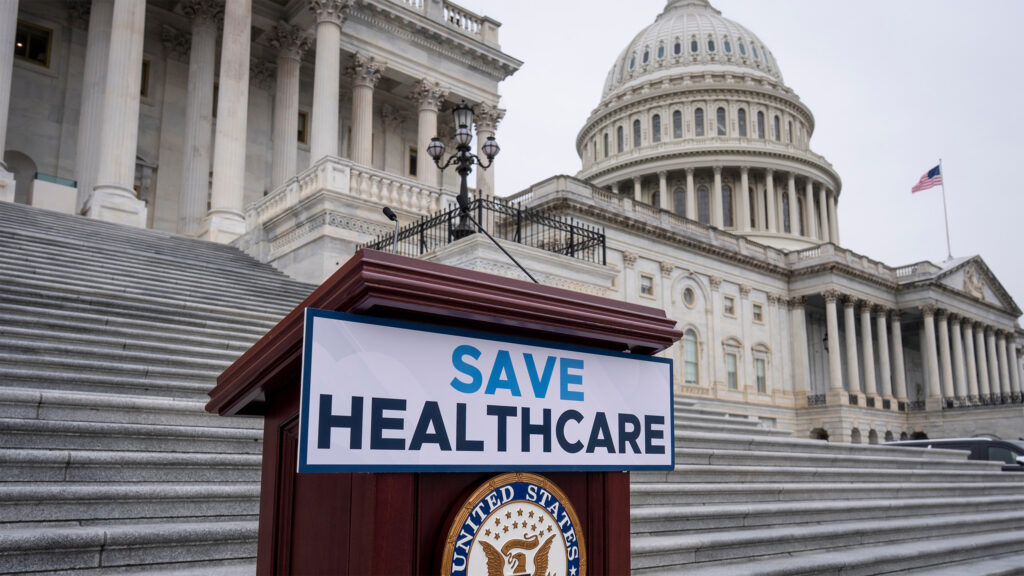
Struggles for Republican Unity
Republicans have yet to find common ground on a health care plan to replace the Affordable Care Act, and they are now grappling with both immediate and long-term solutions as Congress approaches a critical deadline.
Approximately 22 million Americans who rely on the ACA exchanges may see their out-of-pocket premium costs more than double next year if enhanced subsidies are allowed to expire at the end of December.
While most Republicans oppose extending these enhanced subsidies, they struggle to develop an alternative that garners widespread support within the party.
Senator Roger Marshall from Kansas emphasized the stakes involved, stating, “It’s a $5 trillion a year industry; there’s a lot at stake. Obamacare is so thick from the regulatory side, it’s really hard to unwind it.”
House and Senate Republicans are currently drafting individual proposals that could be unveiled soon, although lawmakers acknowledge the difficulty in achieving consensus.
Florida Representative Vern Buchanan noted, “It’s just very complicated; it’s very expensive,” indicating that while various ideas are being considered for affordable health care solutions, more work is needed before a unified plan emerges.
House Speaker Mike Johnson from Louisiana mentioned that his team has been working diligently to assemble various components of a proposal and hopes to present something by midweek. He asserted that only Republicans can effectively reduce premiums and enhance access to quality care.
The party’s desire to move away from ACA subsidies stems from concerns that direct tax credits do not incentivize insurance companies to lower premiums. However, some members express doubt about whether significant changes will occur.
Kentucky Representative Thomas Massie remarked on the influence of insurance companies in politics: “The insurance companies love Obamacare… Most of the people up here have no interest in actually fixing it because they’re making too much money on not fixing it campaign wise.”
Texas Representative Jodey Arrington pointed out additional challenges posed by political pressures in competitive districts where vulnerable incumbents fear backlash from Democrats linking healthcare affordability issues directly to them.
This pressure is prompting some Republicans to consider extending enhanced subsidies temporarily while working on broader reforms. Representative Kevin Kiley from California highlighted the need for bipartisan agreement on measures that would prevent adverse outcomes for constituents.
The deadline for individuals seeking coverage starting January 1 is December 15; however, there is little expectation that Congress will reach an agreement by then. The only assured vote will be on Senate Democrats’ proposal for extending enhanced subsidies for three years.
- Health Savings Accounts: Redirecting government aid into tax-exempt HSAs could empower consumers regarding their spending choices.
- Price Transparency: A bipartisan bill aims to require healthcare providers to disclose service costs openly.
- Association Health Plans: Legislation allowing membership organizations like churches or credit unions to negotiate lower group rates with insurers is being considered.


