
Democrats Seek Extension of Enhanced Subsidies
Senate Democrats are preparing to utilize their promised health care vote next week to advance a straightforward three-year extension of enhanced Obamacare subsidies, citing a lack of bipartisan support.
The Senate is set to discuss the proposal next Thursday; however, it is unlikely to secure the 60 votes required to overcome a filibuster. Democrats assert that Republicans have not presented any viable alternatives.
“They couldn’t propose something that was concrete,” remarked Senator Peter Welch, a Democrat from Vermont, who participated in bipartisan discussions.
The base subsidies, known as Affordable Care Act premium tax credits, will remain intact. However, the COVID-era expansion that increased benefits for families earning above 400% of the federal poverty level is set to expire on December 31.
The bill introduced by Senate Democrats aims to renew this expansion for an additional three years, mirroring the duration of their 2022 Inflation Reduction Act extension of the initially temporary pandemic policy.
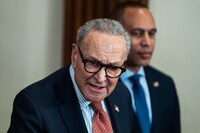
“This is the only solution to avoid the January 1 cliff, plain and simple,” stated Senate Minority Leader Charles E. Schumer, a Democrat from New York.
House Democrats have also suggested a clean three-year extension of the expanded subsidies and initiated a discharge petition to compel a vote; however, they require four Republican signatures and currently have none.
Mr. Schumer emphasized that all 47 Senate Democrats are in favor of the three-year extension and urged Republicans to join them in preventing millions of Americans purchasing health insurance through Obamacare exchanges from facing significantly higher premiums next year. “If Republicans block our bill, there’s no do-over,” he warned.
Senate Majority Leader John Thune, a Republican from South Dakota, agreed to allow Democrats a vote on their preferred health care plan in exchange for eight Democratic votes supporting government reopening after an unprecedented 43-day shutdown last month. He criticized the proposal for lacking seriousness regarding solutions and pointed out Republicans’ openness to consider extensions with reforms addressing waste and fraud.
An attempt was made to formulate a bipartisan bill; however, it quickly disintegrated. Maine Senator Angus King, an independent who aligns with Democrats and supported the shutdown-ending agreement, noted that disagreements arose over Republican demands for Hyde Amendment language prohibiting subsidy use for insurance plans covering abortion services. “That’s just a nonstarter for the Democrats,” he stated.
Republicans may introduce their own plan alongside the Democratic bill. GOP members have discussed reallocating government funds intended for additional Obamacare subsidies towards Health Savings Accounts but have yet to finalize all details regarding such a plan.


