
Taiwan’s Defense Strategy
Taipei, Taiwan — Taiwanese President Lai Ching-te has launched a comprehensive media campaign to emphasize the island’s commitment to self-defense amid rising tensions with China.
His recent communications are directed at three main groups: the United States, Taiwanese citizens, and Japan.
In an op-ed published on Tuesday, followed by a press conference in Taipei on Wednesday, President Lai announced a supplementary budget of $40 billion aimed at enhancing military capabilities. This announcement comes after previous outreach efforts towards Tokyo.
During his remarks on Wednesday, he highlighted China’s ongoing military expansion and increased provocations in the Taiwan Strait and surrounding regions.
Reports from U.S. sources indicate that China’s military aims to be capable of invasion by 2027.
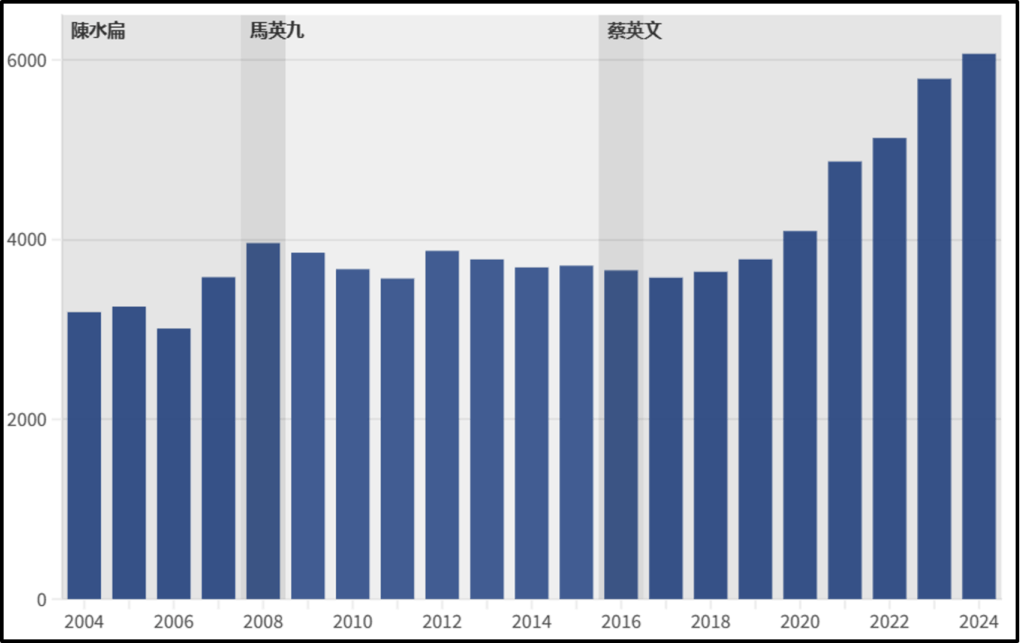
Lai stated that Taiwan’s defense spending, which has already seen significant increases in recent years, is projected to reach 3.3 percent of GDP by next year. He expressed his goal of raising this figure to 5 percent by 2030, marking the largest sustained military investment in Taiwan’s history.
This proposed budget will facilitate substantial arms purchases from the United States and enhance asymmetric warfare capabilities.
The president also referenced Beijing’s efforts to sway public opinion in Taiwan and undermine its democratic institutions through various tactics.
China is reportedly employing coercive measures within what is termed the “gray zone,” which includes online influence operations and aggressive maritime maneuvers.
Lai mentioned plans to expedite the development of a multilayered air defense system designed to counter threats from Chinese drones and missiles.
The president’s statements come after consultations with his defense minister following a briefing from the National Security Council regarding regional security dynamics.
Lai’s media strategy unfolds against a backdrop of warming relations between Beijing and Washington following recent high-level meetings between leaders from both nations.
Lai faces challenges as his party seeks to push through defense budget increases while navigating opposition control within Taiwan’s Legislative Yuan. The Kuomintang party has been less aggressive towards Beijing and has delayed budget approvals.


