
1. How much have Bible sales increased in the United States?
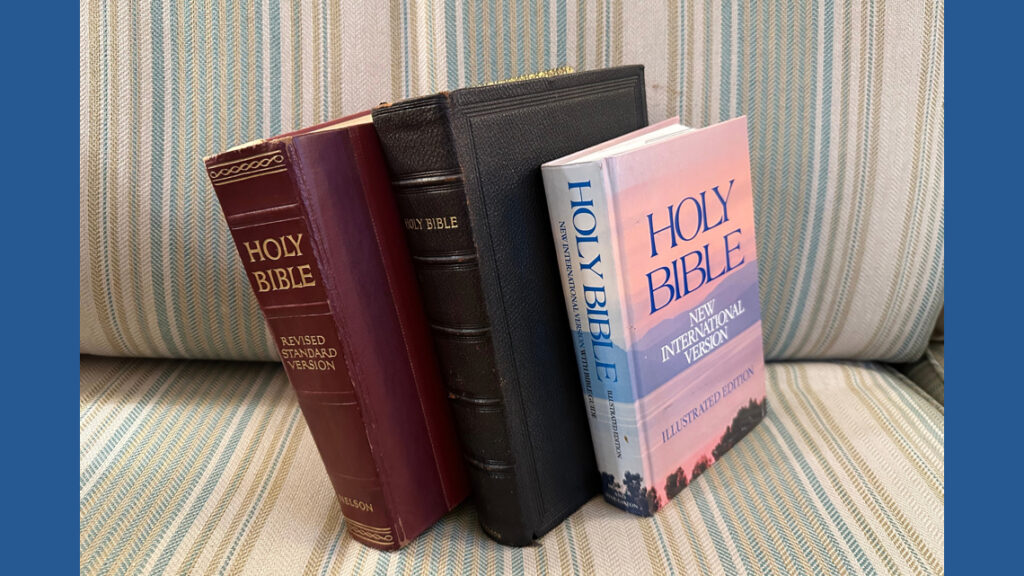
Bible sales have risen by 11% in 2025 compared to the previous year, with over 18 million copies sold so far this year. This trend reflects a continuing increase that began in 2021, with 2024 marking a two-decade high for Bible sales and projections indicating that 2025 will exceed those figures.
Experts suggest that recent upheavals, including the COVID-19 pandemic and political divisions, may be motivating individuals to seek spiritual solace. Tim Wildsmith, a former campus minister, notes that many are “looking for something to kind of settle themselves – that spiritual looking for peace.” A significant spike was observed in September 2025 after the passing of conservative Christian activist Charlie Kirk, resulting in 2.4 million Bibles sold that month.
The top-selling versions include an economy edition of the English Standard Bible, the Adventure Bible designed for children, and the She Reads Truth Bible targeted at women. The New Living Translation is favored for its accessibility and accompanying app with study resources, while the NIV Study Bible has recently surpassed 10 million copies sold. Additionally, former President Trump earned over $1.3 million last year promoting a patriotic Bible inspired by Lee Greenwood’s song “God Bless the USA.”
See also: Bible sales keep growing, even as many Americans lose their religion
Yes, although this trend encompasses all age groups. Data indicates that 36% of Gen Z and 39% of millennials now identify as “Bible users,” reading scripture at least three times a year outside of church settings; millennials have seen a notable rise from 30% in 2024. Bookstore owners report an increase in customers aged 30 to 40 who are either discovering their faith anew or returning to it.
Not necessarily. While approximately 41% of Americans now classify as “Bible users” (up from 38% last year), recent Gallup data reveals that less than half consider religion important in their lives, continuing a documented decline in religiosity. Only one in five Americans are “Scripture engaged,” meaning the Bible plays a significant role in their lives; this suggests many purchasers may be seeking spiritual comfort without deeper religious involvement.


