
Ukrainian Delegation’s Return
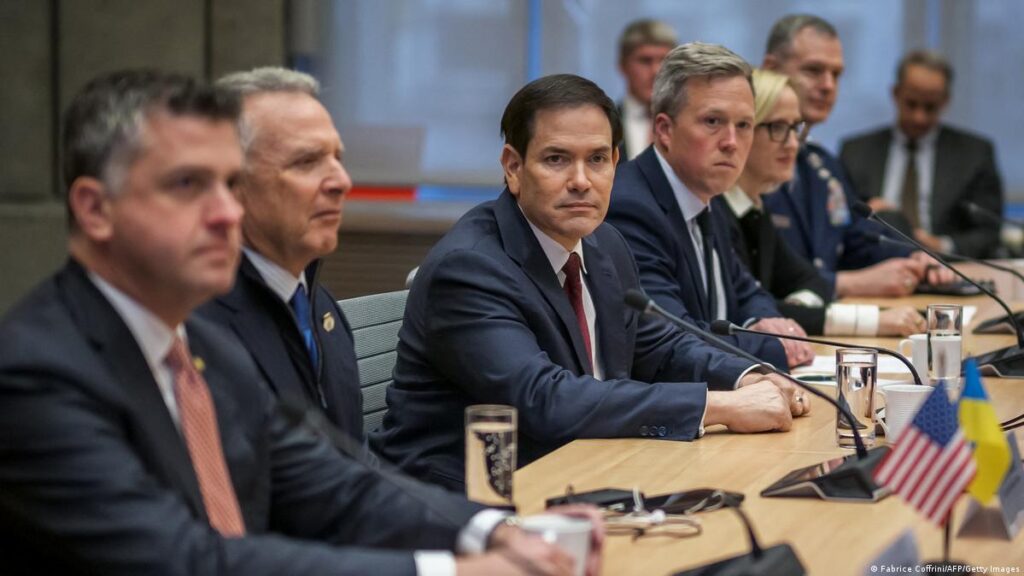
Ukrainian negotiators arrived back home on Monday following intense discussions with officials from the Trump administration in Geneva. The pivotal issue of territorial concessions to Russia remains unresolved. President Volodymyr Zelenskyy stated that he would assess the next steps after receiving a comprehensive briefing from his team, while presidential adviser Oleksandr Bevz noted that such decisions must be made at the head of state level.
The negotiations centered around a 28-point peace plan proposed by the Trump administration last week. However, Zelenskyy mentioned that this framework has been refined and now includes fewer points. He expressed his intention to address the remaining sensitive topics directly with President Trump, highlighting Ukraine’s commitment to swiftly pursue peace. Trump conveyed cautious optimism on Truth Social, setting a Thanksgiving Day deadline for reaching an agreement.
The initial U.S. proposal has drawn criticism in both Washington and Europe for its perceived bias toward Moscow. The plan suggested that Ukraine relinquish its Donetsk and Luhansk regions along with Crimea to Russia, while Russia would withdraw from certain currently occupied territories. It also aimed to prohibit NATO troops in Ukraine, effectively hindering Ukrainian NATO membership, impose significant limitations on Ukraine’s military size, and offer Russia relief from some economic sanctions.
Russian President Vladimir Putin informed Turkish President Recep Tayyip Erdogan that the U.S. plan could serve as a foundation for a final peaceful resolution. German Chancellor Friedrich Merz indicated that significant adjustments had been made to the plan, although specific details remain unclear.
Secretary of State Marco Rubio, who led the U.S. delegation, remarked that discussions pinpointed specific areas needing modification for Ukraine to accept the proposal, achieving this “in a very substantial way” without disclosing further details.
Critics have highlighted fundamental issues within the framework. Former U.S. Ambassador to Ukraine John E. Herbst questioned the rationale behind rewarding Russian aggression with strategic territory that Moscow could not conquer militarily and criticized imposing arms restrictions on Ukraine while placing none on Russia.
European leaders have voiced concerns regarding unilateral U.S. decisions affecting NATO dynamics. Finnish President Alexander Stubb described the negotiations as “a step forward” but stressed that decisions impacting the EU or NATO should involve discussions among member states through separate channels. European leaders are scheduled for a virtual meeting on Tuesday to review the status of these negotiations.


