
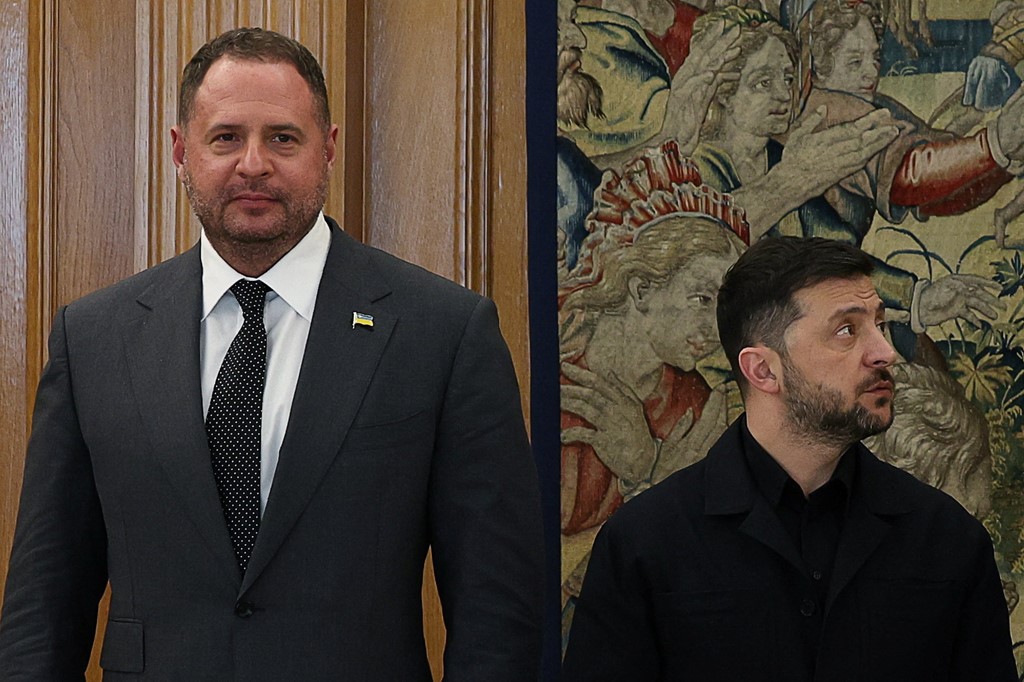
Ukrainian President Faces Tough Choices
Kyiv, Ukraine — The situation for Volodymyr Zelenskyy has become increasingly precarious. A new peace proposal from the Trump administration, negotiated with Russia, demands concessions from Kyiv that have long been resisted, including territorial cessions, at a time when the Ukrainian president’s political standing is at a low ebb.
Zelenskyy is grappling with dwindling approval ratings and a growing corruption scandal that threatens his administration. He is scheduled to meet with representatives from the Trump administration in the coming days to discuss this U.S.-drafted agreement.
“We are prepared to work constructively with our American partners and allies globally to achieve peace,” Zelenskyy stated in a recent announcement.
The combination of internal instability and external pressures has placed Ukrainian leadership in one of its most challenging strategic positions during the ongoing conflict.
In Kyiv, many politicians view Washington’s timing with skepticism. Analyst Volodymyr Fesenko suggests that the proposal’s release is strategically timed to exploit Zelenskyy’s weakened state.
Fesenko warns that accepting U.S. demands could politically devastate Zelenskyy while resisting them might jeopardize Ukraine’s very existence. He also questions the feasibility of the proposed plan, noting that some terms are unacceptable for Ukraine and others contradict Russian goals. He believes Moscow lacks genuine motivation for serious negotiations.
Zelenskyy’s team has learned to publicly show deference to Washington; however, advisor Mykhailo Podolyak criticized the Trump peace initiative as “unconditional capitulation” to Russian President Vladimir Putin.
Russia Gains Advantage
Putin likely senses a shift in strategic advantage due to either military attrition among Ukrainians or political instability in Kyiv. As long as Russian leaders believe they have time on their side, they will be reluctant to agree to any settlement that limits their ambitions, according to Fesenko.
Recently, Russian forces have made significant territorial advances in eastern and southern Ukraine, capturing 169 square miles within four weeks while maintaining pressure on Ukrainian defenses around Pokrovsk, Kramatorsk, and Sloviansk.
Although Ukraine has managed to prevent major breakthroughs, ongoing territorial losses highlight Kyiv’s difficulties in sustaining its defensive capabilities.
A Shift in U.S. Stance
The recent message from Washington is clear: the United States is transitioning from being Kyiv’s primary military supporter to acting as a mediator for a settlement—one that may involve painful compromises regarding territory and governance.
This evolution places Zelenskyy between conflicting pressures: U.S. calls for diplomatic resolution, domestic discontent over corruption issues, and an unyielding military threat from Russia. After nearly three years of intense conflict, it remains uncertain whether Ukraine can accept such terms politically or practically.


