
Incident Overview
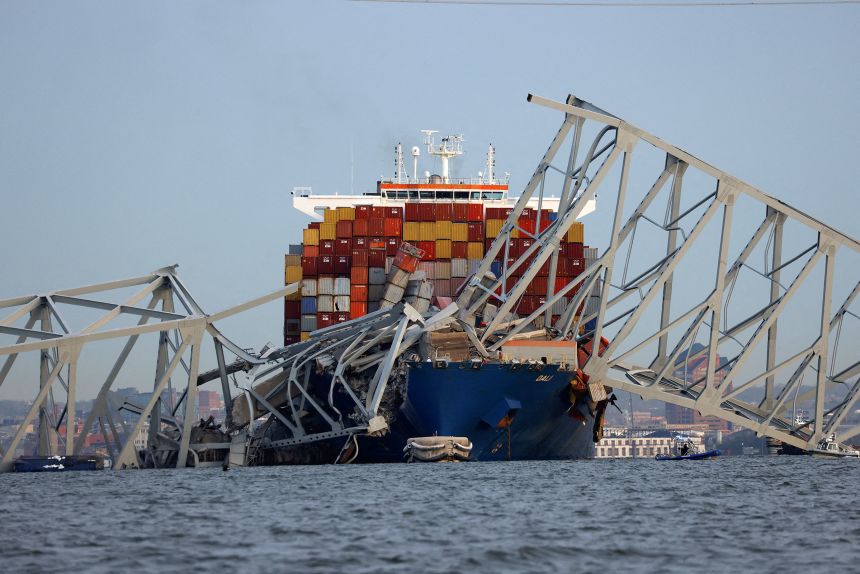
A loose wire and a malfunctioning fuel pump caused two blackouts on the cargo ship Dali, according to federal officials. This series of failures led to the vessel crashing into Baltimore’s Francis Scott Key Bridge last year, resulting in the bridge’s collapse and the tragic deaths of six construction workers.
The National Transportation Safety Board (NTSB) reported that the blackouts occurred just minutes apart, disrupting power to both the steering and propulsion systems as the ship neared the bridge at the harbor’s entrance.
With no power for steering, the Dali drifted into one of the bridge’s southern piers, causing significant structural damage early on March 26, 2024. Six workers who were repairing potholes on the bridge lost their lives in this incident. Fortunately, rescue teams managed to save two individuals from the icy waters of the Patapsco River.
NTSB Chairwoman Jennifer Homendy emphasized that this tragedy was preventable and should never have happened. Investigators found that a loose signal wire was improperly installed, leading to an initial blackout shortly before 1:30 a.m. The wire’s label prevented it from being fully connected, triggering a power outage.
Although crew members quickly restored power after the first blackout, a second blackout occurred due to insufficient fuel for generators—an issue stemming from a pump that required manual restarting by crew members in complete darkness.
The NTSB also noted that Key Bridge lacked adequate protections against modern tankers’ size. Discussions about reinforcing it had taken place nearly two decades ago but were never acted upon.
If Maryland Transportation Authority (MDTA) officials had assessed Key Bridge’s vulnerabilities accurately, they would have recognized that its risk of collapse was significantly higher than acceptable thresholds set by transportation authorities.
The crew responded promptly to power loss; however, they were too close to execute effective maneuvers. Investigators suggested that MDTA police could have potentially saved lives if they had communicated Dali’s distress signal more swiftly.
The board’s findings came just after Maryland officials announced an increase in estimated costs for replacing the bridge—from approximately $1.9 billion to between $4.3 billion and $5.2 billion—with completion now projected for 2030.
This collapse has severely impacted Baltimore’s economy by disrupting a major waterway for nearly three months while debris removal took place.


