
Executive Order to Lower Tariffs
President Trump has enacted an executive order aimed at decreasing tariffs on grocery items that have seen price increases or are difficult to cultivate in the United States.
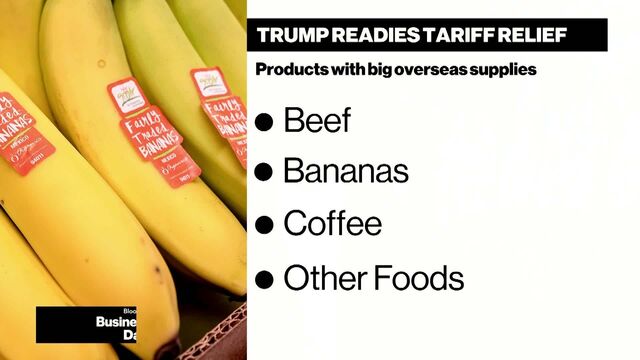
The directive encompasses a variety of agricultural products, including beef, tomatoes, coffee, and bananas.
In his order, signed on Friday, Mr. Trump stated, “I have determined that certain agricultural products shall not be subject to the reciprocal tariff imposed [under previous orders].” This move is part of his effort to fulfill campaign promises to enhance affordability for American consumers.
The recent elections saw Democrats winning significant seats by focusing on affordability issues, criticizing the White House for not meeting its commitments as inflation persists and businesses claim that tariffs impose financial burdens.
This order may be interpreted as an implicit recognition that tariffs can lead to increased costs for U.S. importers, which are often passed down to consumers. For months, Mr. Trump has portrayed tariffs as costs borne by foreign nations in exchange for access to the lucrative American market.
White House press secretary Karoline Leavitt remarked in March that “tariffs are a tax hike on foreign countries that again have been ripping us off.” Recently, Mr. Trump acknowledged that U.S. consumers “might be paying something,” while Treasury Secretary Scott Bessent hinted at tariff relief as a means to lower prices at checkout counters.
Treasury Secretary Scott Bessent indicated during an interview with Fox News that significant announcements regarding products not grown domestically—such as coffee and bananas—would soon follow. He suggested these changes would quickly reduce prices.
Critics argue that if reducing tariffs leads to lower prices now, it implies that their initial imposition was detrimental to American consumers. Scott Lincicome from the Cato Institute expressed skepticism about the administration’s previous claims regarding tariffs not affecting consumer prices.
This week, the Trump administration reached agreements with Argentina, Guatemala, Ecuador, and El Salvador aimed at lowering tariff rates on goods like bananas that cannot be produced in large quantities within the U.S. The domestic market for certain fruits and coffee is minimal; thus there is little need for protective tariffs against foreign imports.
U.S. Trade Representative Jamieson Greer described this relief as a practical aspect of ongoing negotiations and noted Mr. Trump’s use of tariffs as leverage in discussions with other nations.
The National Coffee Association praised Mr. Trump’s decision to eliminate reciprocal tariffs on most coffee imports. NCA President Bill Murray stated this action would alleviate cost-of-living pressures for many Americans who rely on coffee daily while also securing supplies for U.S.-based companies benefiting economically from coffee imports.
A prominent alcohol lobby expressed disappointment over the exclusion of its products from tariff modifications. Distilled Spirits Council President Chris Swonger criticized this decision as detrimental to the hospitality industry during a crucial holiday season when demand peaks for spirits such as Scotch and Irish Whiskey—products not produced domestically.


