
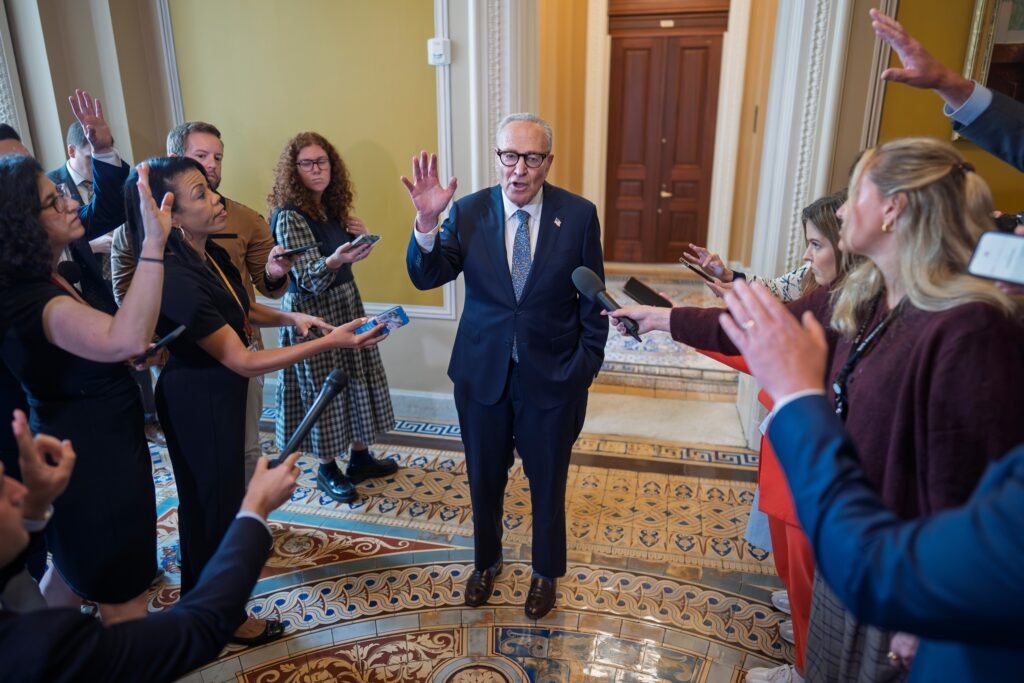
Democrats rally around key demands
Senate Democrats, initially divided on their strategy regarding the government shutdown, are now coming together to emphasize their primary goal: securing an extension of enhanced Obamacare premium subsidies.
This renewed unity complicates bipartisan discussions, as some Democrats had considered a Republican proposal for a Senate vote on extending the subsidies following the passage of a new spending package aimed at reopening the government.
A significant number of Senate Democrats rejected this proposal, viewing it as a Republican tactic designed to fail. They seem determined to advocate for more substantial results. Senator Andy Kim from New Jersey stated, “The Republicans hold the gavels and the White House and are refusing to negotiate right now, but we feel very recommitted to this fight to deliver tangible results for those facing rising health care costs.”
Republicans plan to conduct a test vote on Friday to gauge whether any Democrats will support their initial offer after this week’s shutdown set a record for duration and continues to have negative effects.
Senate Majority Leader John Thune from South Dakota remarked, “The clear path forward regarding the Affordable Care Act is that they get a vote, we reopen the government, and then we can discuss it with the president.”
Related: Far-left Democrats warn party leaders against conceding in shutdown negotiations.
During the COVID-19 pandemic, Democrats expanded premium tax credits for Obamacare coverage to reduce consumers’ out-of-pocket expenses. Currently capped at 8.5% of household income, these enhancements allowed individuals and families earning above 400% of the federal poverty level access to subsidies. However, these temporary measures are set to expire this year unless Congress intervenes.
If no action is taken by Congress, average consumer premium costs could more than double. During a caucus lunch on Thursday, Senate Democrats discussed how far they should push their demand for an extension of these subsidies and emerged with renewed determination.
Senator Chris Murphy noted that recent Democratic victories in off-year elections in states like Virginia and New Jersey signaled voters’ rejection of former President Trump’s economic policies and indicated support for lowering costs.
Despite acknowledging that the shutdown negatively impacted Republicans in recent elections, Trump has not shifted his stance on negotiating with Democrats. Instead, he has intensified calls for Republicans to resolve the issue independently by potentially changing Senate rules through what is known as the “nuclear option.”
Related: Senate hearing examines consequences of Obamacare subsidies.
The president suggested it might be time for Republicans to eliminate the filibuster and resume work. However, over a dozen Senate Republicans oppose ending it altogether. GOP leaders continue pursuing bipartisan solutions while working on an updated spending bill based on cross-party discussions.
Thune expressed optimism about some Democrats being willing to cooperate but acknowledged they face significant pressure from their left flank. He plans another test vote on Friday regarding interest among Democrats in moving forward with new spending legislation still under discussion.
This new spending bill aims to amend previous measures with later deadlines while incorporating three annual appropriations bills nearly finalized by both chambers—specifically funding for legislative operations and departments such as Agriculture and Veterans Affairs. The stopgap portion would only apply to nine remaining spending bills.
A noteworthy advancement was Republicans’ agreement during discussions on ensuring federal workers laid off during the shutdown are recalled with back pay; however, disagreements persist over including Obamacare subsidies in any deal.
“There are ways we can ensure language about the Affordable Care Act is included,” said Illinois Senator Richard J. Durbin.


